Post Views: 36



When the heart becomes too weak to pump enough blood despite medicines and other treatments, patients and families often ask, Can a human heart be replaced? Yes, in certain circumstances, patients can receive a new heart transplant from a donor, use an LVAD, or, in rare cases, a total artificial heart can help maintain circulation.
As mentioned by Dr. Vishal Khullar, a world-renowned cardiac surgeon in Mumbai, India, the decision to consider heart replacement or mechanical assistance requires much more than evaluating the state of your heart through imaging. Symptoms, repeated hospitalisations, organ function, overall health and response to previous heart failure treatment are among the factors that help determine the suitability for transplant, LVAD, or another advanced option.
Dr. Vishal Khullar has over 30 years of experience in cardiovascular and thoracic surgery; he has performed over 7,000 heart surgeries and treated over 9,000 patients globally. His areas of expertise include heart and lung transplantation, LVAD and mechanical circulatory support, complex cardiac surgery, valve surgery, and aortic surgery.
When does a failing heart need more support? Let’s explore the reasons.
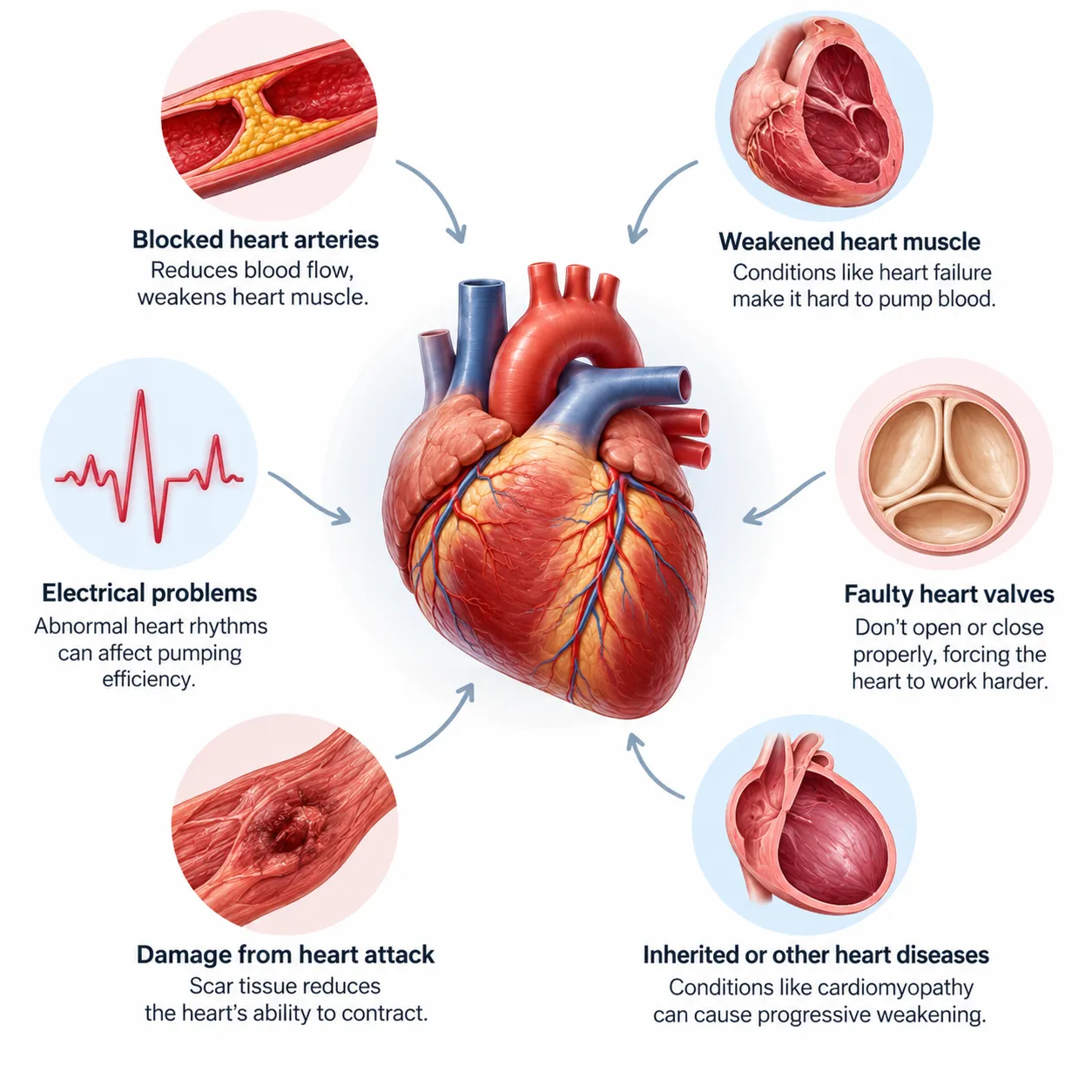
Conditions such as severe cardiomyopathy, previous heart attacks, advanced coronary artery disease, or certain structural heart diseases can gradually weaken the heart. When patients develop end-stage heart failure, standard heart failure treatment may no longer provide adequate circulation.
The aim is not always immediate heart replacement surgery. An LVAD device, transplant, or another form of mechanical support may be considered according to the patient’s condition.
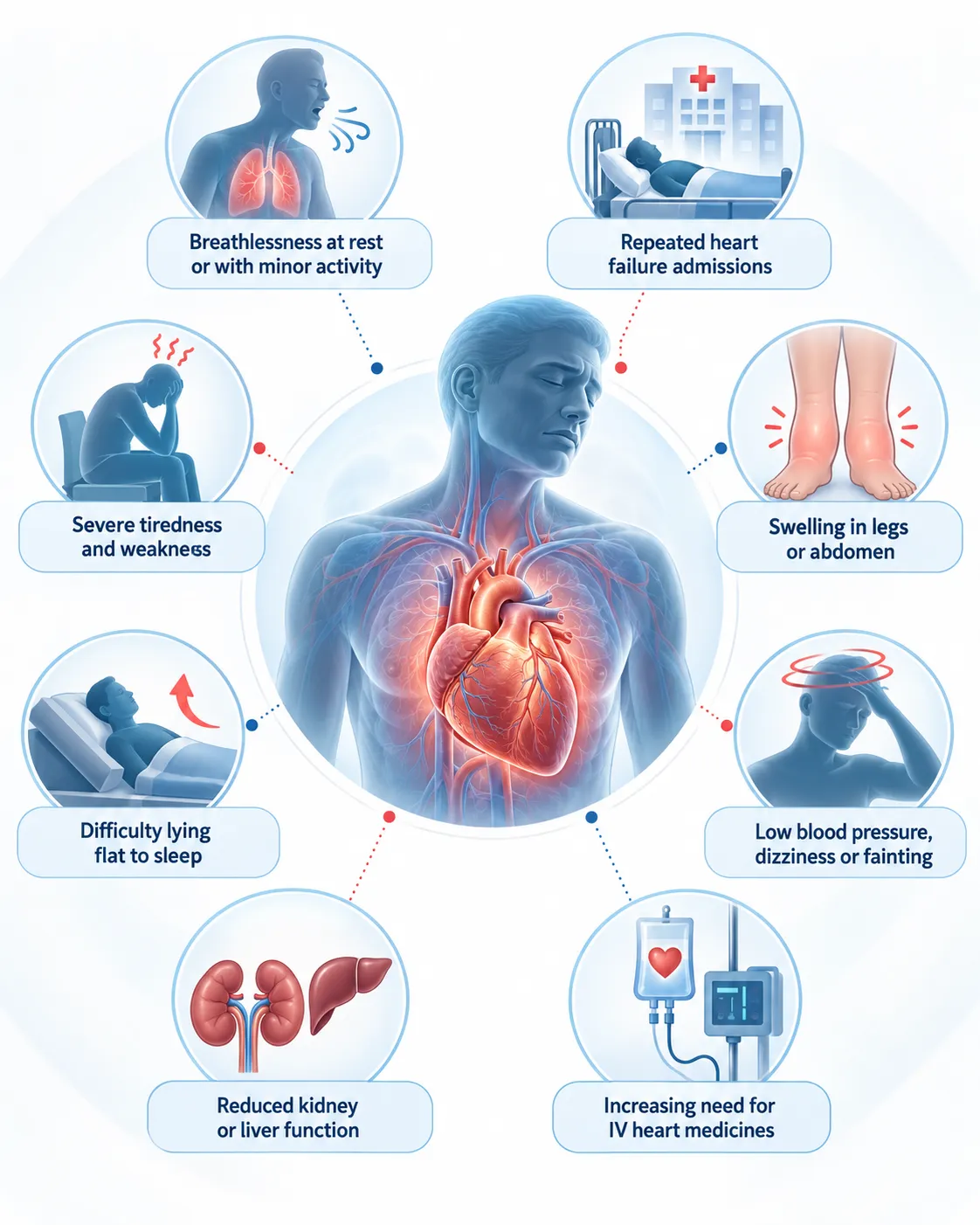
Which symptoms suggest advanced heart failure? Let’s discover the warning signs
Common advanced heart failure symptoms include:
These symptoms do not automatically mean that heart replacement is required. They indicate that specialist assessment may be appropriate.
Repeated or worsening symptoms should not be ignored. Connect with a cardiac specialist to identify the next suitable treatment step.
What happens as heart failure gets worse? Let’s explore the progression.
At first, a weak heart can compensate by beating faster or enlarging. With time, these mechanisms become ineffective. Fluid may accumulate in the lungs and all over the body; the person’s capacity to do physical exercise may be reduced, and organs may receive less oxygen-rich blood.
Eventually, some patients may need an LVAD heart support system or a heart replacement.
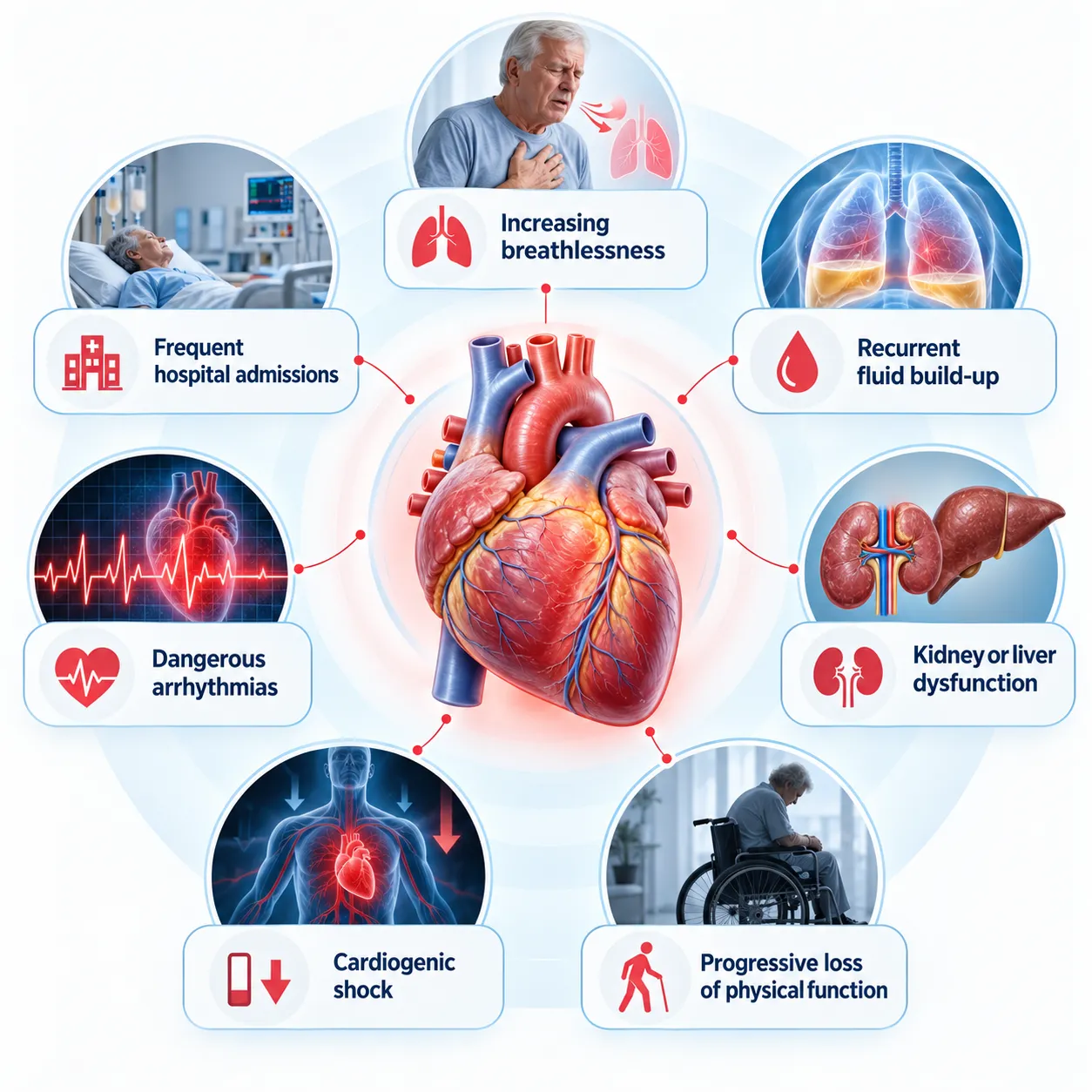
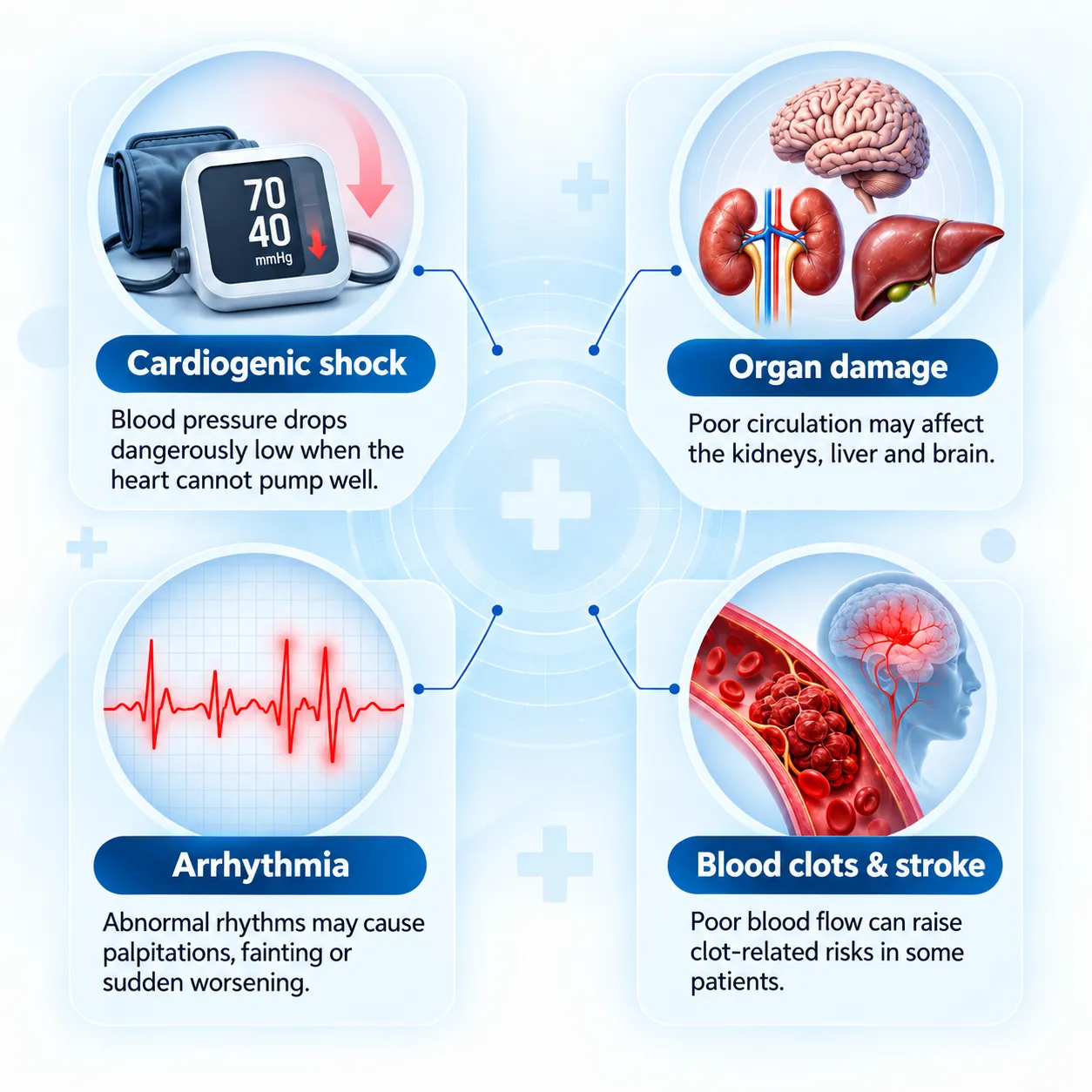
What can happen when the heart can no longer supply enough blood to the body? Let’s explore the major complications.
Severe heart failure can lead to:
Who may need advanced heart support? Let’s explore the options.
Heart transplantation, LVAD, or an artificial heart may be suggested by the surgeon in case of end-stage heart failure despite optimal treatment.
The choice between LVAD vs heart transplant or total artificial heart vs LVAD is based on the heart performance and other factors.
How is the decision made before advanced heart surgery is recommended? Let’s discover what the evaluation usually involves.
Testing may include:
Doctors also review nutrition, infection risk, blood group, other illnesses, and psychosocial readiness. The evaluation helps determine when a heart transplant is needed and whether mechanical support is appropriate.
Can advanced heart failure become life-threatening without timely escalation of care? Let’s discuss the possible consequences.
Untreated or inadequately controlled disease may result in:
For some patients, early referral to a seasoned heart specialist allows time to assess transplant or mechanical support before an emergency develops.
What does each heart replacement option actually do? Let’s explore the three major approaches.
A heart transplant replaces the failing heart with a healthy donor heart. It may be considered for eligible patients with end-stage heart failure when other treatments are no longer effective.
A left ventricular assist device is an artificial heart pump that helps the weakened left ventricle circulate blood. Unlike transplant, the patient’s own heart usually remains in place.
When comparing total artificial heart vs LVAD, the difference is important. An LVAD generally supports one ventricle, while a total artificial heart replaces the pumping function of both ventricles.
A heart wall replacement is a separate concept involving reconstruction of damaged heart tissue and should not be confused with replacing the entire heart.
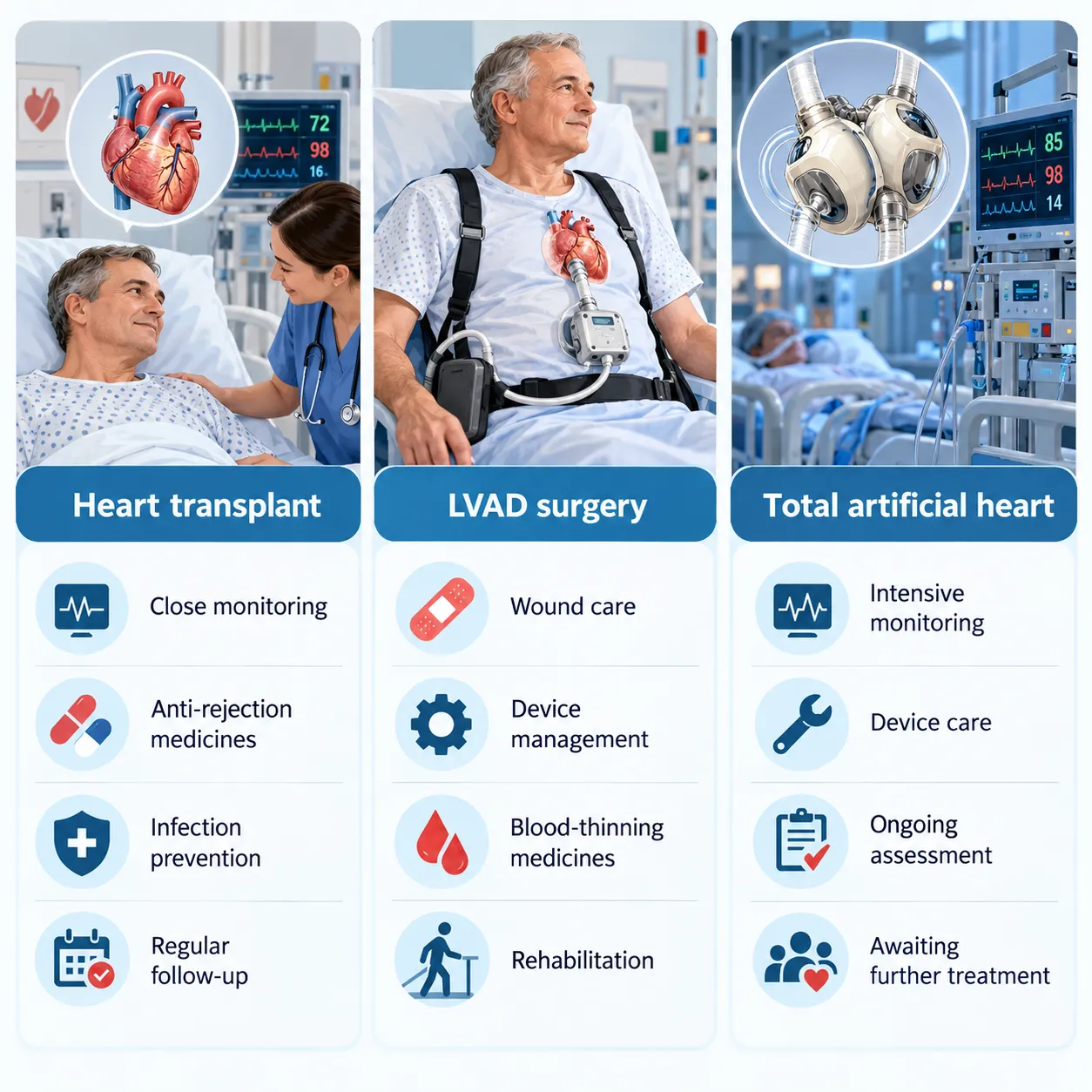
What happens after surgery? Let’s explore the recovery process
Recovery depends on the type of procedure, overall health, and condition before surgery.
Possible concerns include infection, bleeding, stroke, organ rejection, or device-related complications.
When should specialist advice be considered? Let’s discuss the right time.
A cardiac surgeon may be consulted when heart failure continues to worsen despite treatment, especially if there are:
Early referral can help determine whether heart replacement surgery, mechanical support, or continued medical treatment is most suitable.
While a human heart can be replaced by a donor heart in appropriately selected individuals, an LVAD can serve as a support system to a failing heart without removing it. It should be noted that a total artificial heart might also be a potential solution for biventricular failure in some cases.
For patients wondering is heart transplant possible in India, the answer is yes. However, it is contingent upon various parameters such as overall health, organ function, disease severity, donor availability, and suitability for surgery.
Dr. Vishal Khullar, a leading heart surgeon in Mumbai, India, evaluates patients with advanced heart failure to determine whether a heart transplant, LVAD, or any other surgical option may be appropriate based on their individual condition.
Knowing the options is important before coming up with a decision. Contact a specialist when the situation demands surgical treatment of heart failure.
Disclaimer: The information shared in this content is for educational purposes and not for promotional use.