What Is Papillary Muscle Rupture After a Heart Attack?

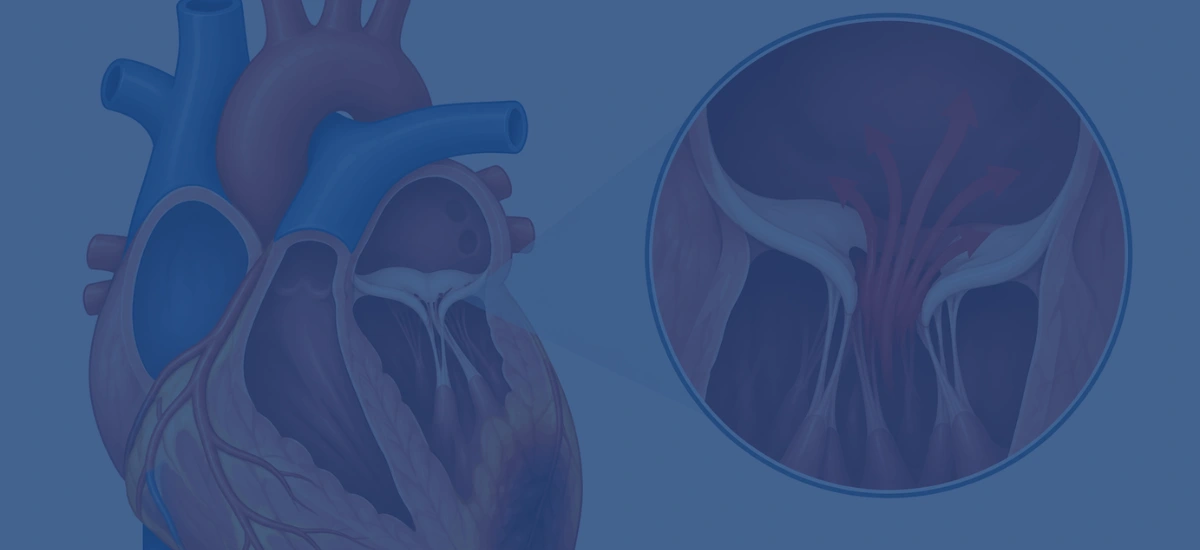
Papillary muscle rupture is an uncommon but genuinely dangerous complication, a literal tear in one of the small muscles that anchor the mitral valve. It doesn’t happen right when the heart attack hits. Most cases show up somewhere between two and seven days afterward, once the damaged tissue has had time to weaken. Once that muscle tears, the valve loses its support almost instantly, and blood starts flowing backward with real force. It’s rare. But when it happens, it turns into a surgical emergency within hours, not days.

According to Dr. Vishal Khullar, a leading Cardiac Surgeon in Mumbai, “This isn’t something you manage with medication alone. Once that muscle tears, the patient can deteriorate rapidly. This is a surgical emergency, and every hour counts.”

What Causes Papillary Muscle Rupture After a Heart Attack?

It’s not a random tear. The location and the type of heart attack both play a role.

  • Posteromedial papillary muscle involvement: This muscle gets its blood supply from a single artery, so it’s far more vulnerable, and it ruptures three to twelve times more often than the other one. 
  • Inferior MI connection: That single artery is usually the right coronary artery. So an inferior wall heart attack ends up being the usual trigger.
  • Anterolateral papillary muscle, less often: This one has a dual blood supply, so it usually needs a much bigger blockage, often involving the left main artery, before it tears too.
  • Delayed presentation: The muscle tissue needs days to weaken and die. So symptoms often creep in well after the initial heart attack’s already been treated.

Once the muscle tears, every hour of delay raises the risk of cardiogenic shock, which is why mitral valve surgery usually can’t wait.

Sudden breathlessness or chest pain days after a heart attack?

What Are the Symptoms and How Is It Treated?

Recognizing it quickly matters more than almost anything else here.


Clinical Clue

What It Often Shows

Sudden breathlessness

New-onset pulmonary edema

Murmur

Often faint or absent, despite severe leak

Echo

Flail leaflet, severe regurgitation

Blood pressure

Can drop fast, cardiogenic shock


  • Sudden symptoms: Breathlessness, chest pain, low blood pressure, all showing up suddenly, days after the original attack seemed under control.
  • An unreliable murmur: Surprisingly, the murmur is often soft or completely missing, even with severe regurgitation, which makes this one tricky to catch on exam alone. 
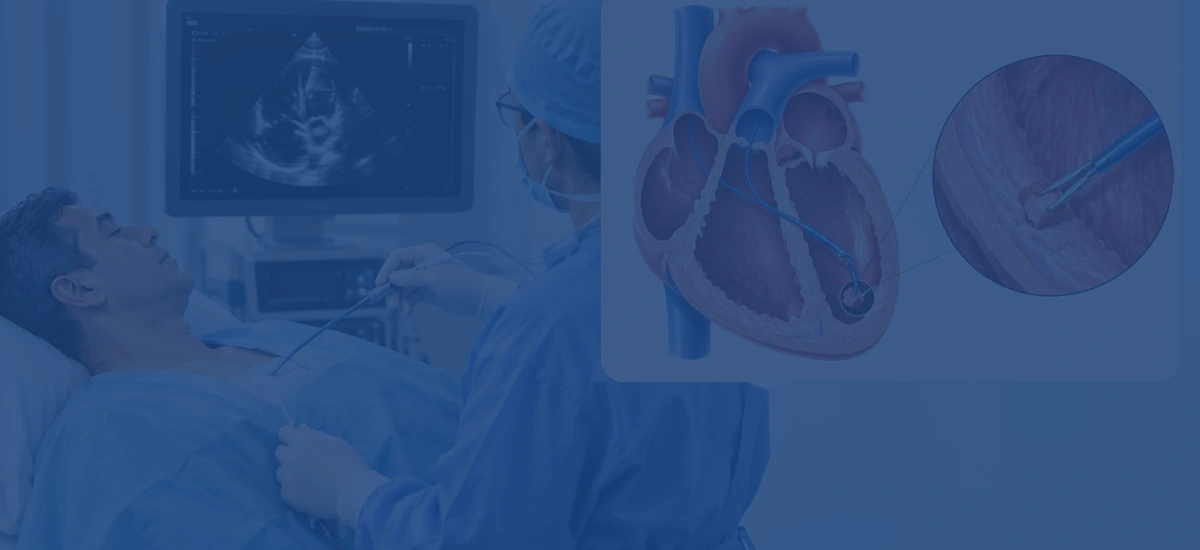
  • Echocardiography confirms it: Transesophageal echo beats the standard transthoracic scan here. Clearest picture of a torn muscle and a flail leaflet.
  • Emergency surgical treatment: Mitral valve replacement, sometimes with bypass alongside it, is the standard move. Repair only works for select partial tears.

After surgery, recovery tracks close to what we covered in valve surgery recovery.

Why Choose Dr. Vishal Khullar?

Dr. Vishal Khullar holds an MBBS, MS, and MCh, with fellowship training in advanced cardiovascular and thoracic surgery from Cleveland Clinic and Mayo Clinic. With over 30 years of experience in complex, high-risk cardiac surgery, he’s operated on patients in genuine cardiogenic shock, exactly the kind of emergency a papillary muscle tear creates. His approach pairs fast diagnosis with surgical readiness already in motion, since delay costs lives here. 

FAQs

What actually happens when a papillary muscle tears?

The valve loses its support fast. Severe leakage follows, and it can lead to cardiogenic shock.

What's the treatment for a ruptured papillary muscle?

Usually emergency mitral valve replacement, sometimes repair, often paired with bypass.

How soon after a heart attack does papillary muscle rupture happen?

Usually two to seven days out, once the damaged tissue weakens.

Does a torn papillary muscle always cause a murmur?

Not always. The murmur can be faint or even completely absent.

Refrences

Disclaimer: This blog is for general informational purposes only and is not a substitute for professional medical advice, diagnosis, or treatment; please consult a qualified doctor for any health concerns.

Related Posts

Book Online Consultation Book An Appointment Call Now Button