Trusted By
9,000+ Patients Globally
Experience of
30+ Years
7000+ Surgeries
Completed

What Is Lung Health & How To Keep Lungs Healthy?

What Is Lung Health & How To Keep Lungs Healthy

Want to discover about lung health and how to keep it healthy?

Book an appointment

Lung health means maintaining respiratory function well enough that the body receives adequate oxygen consistently. The lungs complete this cycle roughly 20,000 times a day, pulling oxygen into the bloodstream and expelling carbon dioxide without interruption. Early warning signs, a persistent cough, breathlessness on exertion, or unexpected imaging findings, are frequently dismissed for months before a specialist is consulted. By that point, the damage is often already significant.

According to Dr. Vishal Khullar, a specialist in lung transplant in Mumbai, Simple, consistent habits make a real difference in whether your lungs age well or not. Most patients who reach the stage of surgical intervention wish they had acted on early symptoms sooner.

Want a specialist assessment of your lung health before symptoms worsen?

What is Lung Health?

The lungs draw oxygen into the bloodstream and expel carbon dioxide through millions of tiny air sacs called alveoli. Good lung health means this exchange runs without restriction, no airway inflammation, no structural damage, no scarring limiting gas exchange capacity.

Lung damage develops quietly. COPD, pulmonary fibrosis, and early lung cancer rarely produce noticeable symptoms until significant damage has occurred. For patients whose condition reaches an advanced stage, lung transplant surgery becomes part of the treatment conversation, which is why protecting lung health early matters.

How Do You Know If Your Lungs Are Healthy?

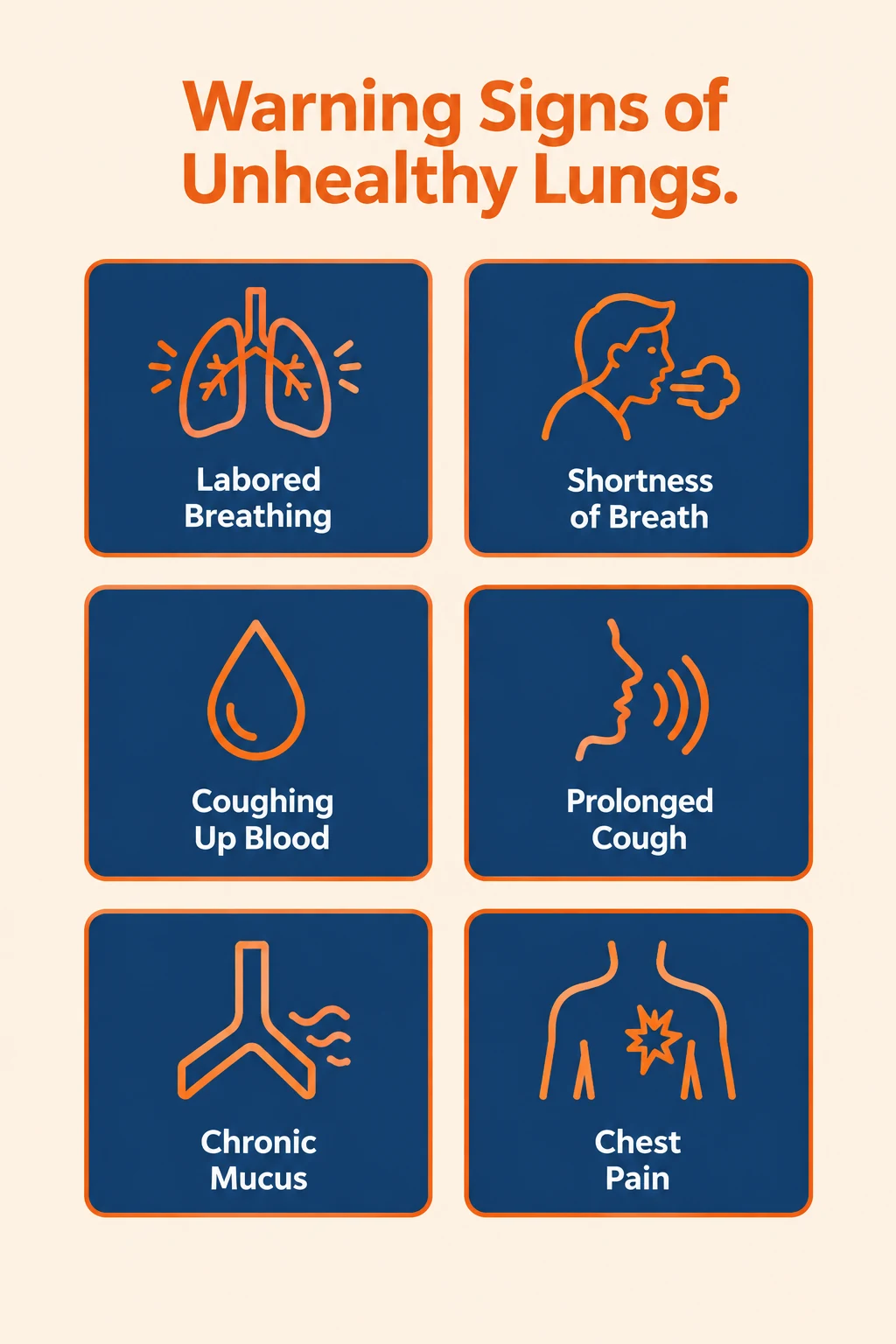
Recognising early signs of lung trouble is important regardless of how mild they seem. Most people rationalise these symptoms, attributing them to age, fitness level, or a lingering cold, when in fact the lungs are signalling something that needs attention. Here are six indicators to be aware of:

Here are some indicators to look out for:

  • Labored Breathing: A feeling of effort when breathing in and out, as if the chest is restricted or air is not moving freely. This is distinct from the natural breathlessness of hard exercise. If it appears during rest or light activity, it warrants investigation.

Labored Breathing

  •  Shortness of Breath: Feeling winded after activities that did not previously cause it, such as walking up a flight of stairs, carrying shopping, or moving between rooms. Gradual onset makes it easy to dismiss, but it often reflects a measurable decline in lung function.

Shortness Of Breath

  • Coughing up Blood: Blood in the sputum, even in small amounts, signals bleeding somewhere in the airways or lungs. This requires same-day medical evaluation without exception.

Coughing Up Blood

  • Prolonged Cough: A cough lasting more than three to four weeks without a clear cause needs medical assessment. A dry chronic cough can indicate fibrosis. A productive one may point to infection, bronchiectasis, or other airway disease.

Prolonged Cough

  • Chronic Production of Mucus: Some mucus is normal as it traps particles and protects the airways. Continuous mucus production for more than a month, particularly if discoloured or increasing in volume, is a sign of persistent airway inflammation or infection.

Chronic Production Of Mucus

  • Constant Chest Pain: Chest pain lasting more than a month, or pain that worsens when breathing in or out, can indicate pleural disease, infection, or in some cases a lung tumour affecting surrounding tissue.

Constant Chest Pain

If you have been experiencing any of these symptoms, we strongly recommend consulting a reputable cardiothoracic surgeon experienced in complex lung conditions, including those that may require lung transplant evaluation. Do not wait for symptoms to worsen before seeking a specialist opinion.

How To Keep Your Lungs Healthy?

Want to learn how to take care of your lungs? Here are some easy steps you can take to maintain healthy lungs without any special attention or nourishment:

1. Avoid Smoking

Cigarette smoke destroys the cilia that clear the airways, inflames the bronchial tubes, and converts healthy alveoli into scarred tissue. Even long-term smokers see measurable improvement in lung function within months of quitting.

Avoid Smoking

2. Exercise Regularly

Regular aerobic activity strengthens the diaphragm and intercostal muscles and trains the body to use oxygen more efficiently. Aim for at least 30 minutes of moderate activity five days a week.

Exercise Regularly

3. Avoid Polluted Air

PM2.5 levels in Indian cities routinely exceed safe limits. Wear an N95 mask on high-pollution days, check the air quality index before outdoor exercise, and use exhaust fans when cooking indoors.

Avoid Polluted Air

4. Maintain Personal Hygiene

Many serious lung infections begin as preventable respiratory illnesses. Washing hands regularly and avoiding close contact with people who have active respiratory infections reduces exposure meaningfully.

5. Get Vaccinated

Annual flu vaccination and a pneumococcal vaccine are both recommended, particularly for those over 65 or with existing respiratory conditions. COVID-19 vaccination is also relevant given the documented risk of lasting lung damage.

Get Vaccinated

6. Eat Healthy Food

Tomatoes, leafy greens, apples, and oily fish reduce airway inflammation and oxidative stress. Staying well hydrated keeps the airway mucosal lining moist and supports natural particle clearance.

7. Avoid Lungs-Damaging Food

Processed foods high in refined carbohydrates, trans fats, and excess sodium increase systemic inflammation that affects the airways. Replacing carbonated drinks with water or antioxidant-rich teas compounds positively over time.

8. Get Regular Check-Ups

Lung cancer, COPD, and pulmonary fibrosis develop without obvious symptoms for years. A routine chest X-ray or pulmonary function test during an annual health check can detect structural changes before they become advanced problems.

Get Regular Check-Ups

Why Choose Dr. Vishal Khullar?

Dr. Vishal Khullar is a Cardiothoracic and Thoracic Surgeon at Fortis Hospital Mulund and S.L. Raheja Hospital Mahim, Mumbai, with over 30 years of experience and more than 7,000 completed procedures across heart, lung, and vascular conditions. He specialises in advanced lung disease, lung transplantation, and complex thoracic conditions requiring surgical intervention.

Patients seek his opinion when symptoms persist despite prior treatment, when a second opinion is needed on a complex diagnosis, or when surgical evaluation becomes necessary. His approach centres on accurate diagnosis and the right intervention at the right time.

Experiencing persistent breathlessness or a cough that won't clear?

FAQ

What is lung health?

How efficiently the lungs exchange oxygen and carbon dioxide without inflammation or structural damage.

How do I know if my lungs are unhealthy?

Persistent cough, breathlessness during routine activity, chest pain, or blood in sputum.

Can you improve lung health naturally?

Yes. Quitting smoking, regular exercise, and a clean diet all improve lung function meaningfully.

When should I see a doctor for a lung symptom?

Any respiratory symptom that is new, worsening, or persists beyond two weeks.

Related Posts

2 Responses
Book Online Consultation Book An Appointment