Views: 7,221
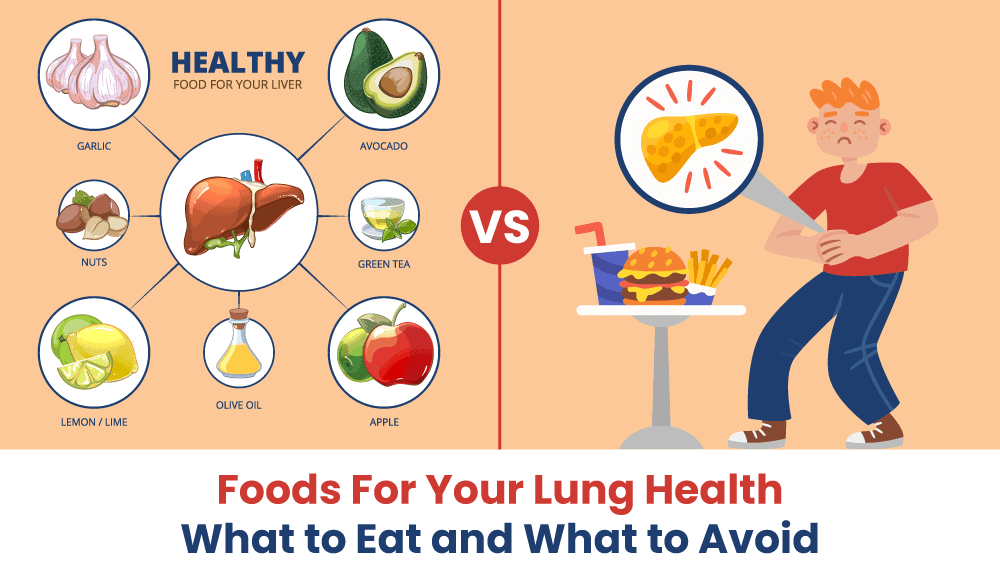



What you eat directly affects how well your lungs function, which is why choosing the best foods for lung health matters more than most people realise. The right foods reduce airway inflammation, support tissue repair, and help clear the airways of particles and pathogens. The wrong ones thicken mucus, promote systemic inflammation, and place extra strain on a respiratory system already working hard. Leafy greens, berries, fatty fish, and whole grains are among the best foods for lung health, while processed foods, excess salt, and refined carbohydrates work against it.
According to Dr. Vishal Khullar, a leading cardiac and thoracic surgeon in Mumbai, “Diet is one of the most underestimated factors in respiratory health. What patients eat every day is either reducing airway inflammation or adding to it, and the evidence for making changes is clear.”
These foods have research backing for their specific effects on lung function, not just general health. Each one works through a distinct mechanism:
List Of Foods Good For The Lungs :
These foods have research backing for their specific effects on lung function, not just general health. Each one works through a distinct mechanism. Our list below shares some of the best foods for lung health:
A reliable source of quercetin, a flavonoid antioxidant that slows lung function decline associated with ageing and oxidative stress. Studies consistently link five or more apples per week to lower COPD risk and better-preserved lung capacity over time.

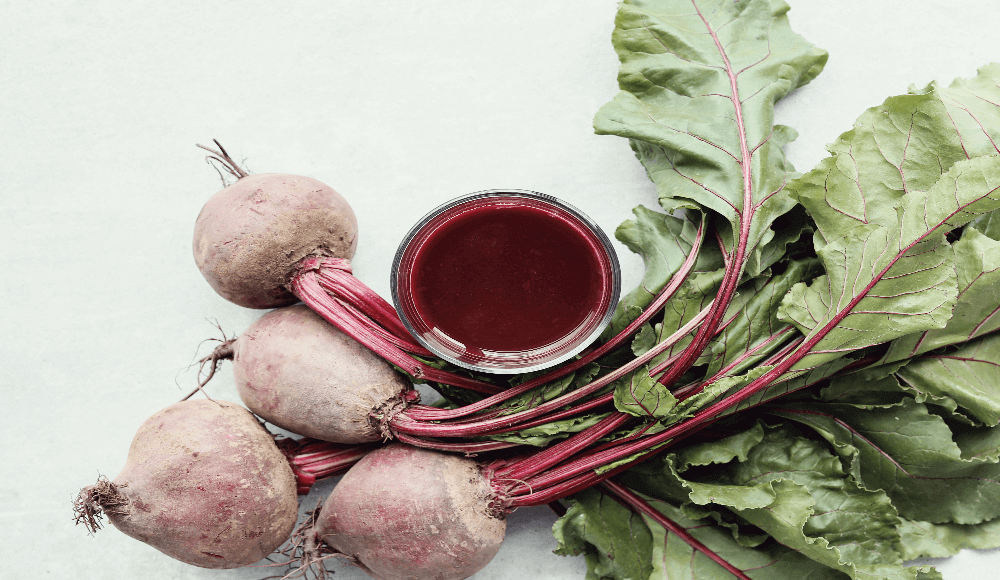
Contains dietary nitrates the body converts to nitric oxide, which relaxes and dilates blood vessels supplying lung tissue. This improves oxygen delivery and increases exercise tolerance in patients with reduced lung function.
One of the richest dietary sources of carotenoids, including beta-carotene, lutein, and zeaxanthin. Higher carotenoid levels are consistently associated with better lung function and reduced oxidative damage to the alveolar lining.

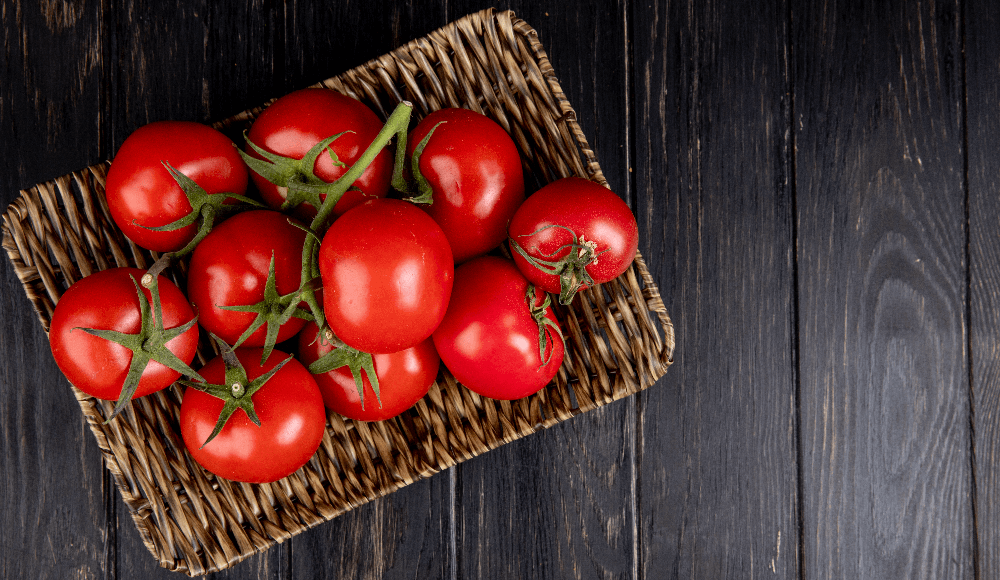
The primary dietary source of lycopene, a carotenoid with strong anti-inflammatory properties in airway tissue. Regular consumption is linked to reduced airway inflammation in asthma patients and slower lung function decline in former smokers.
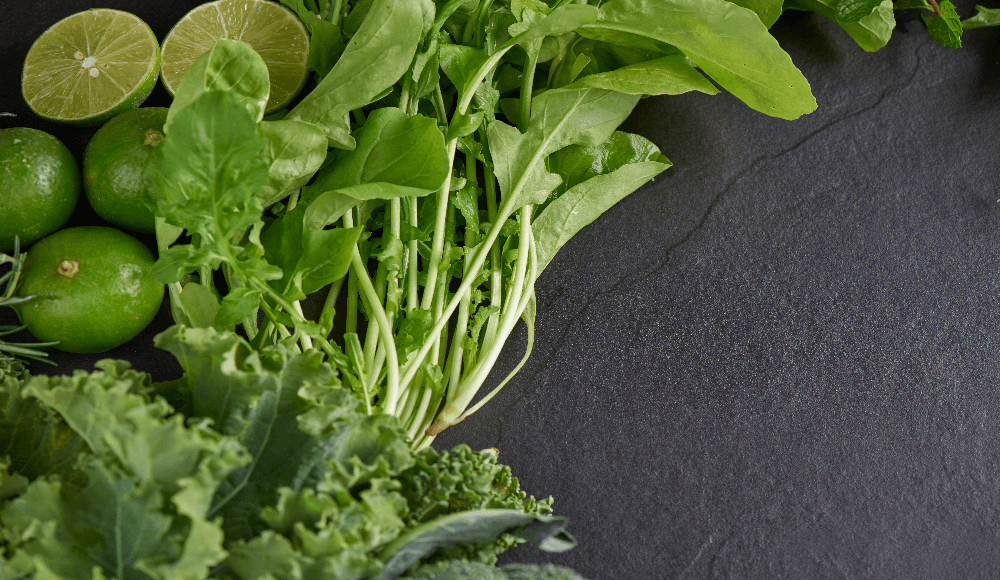
Spinach, kale, and similar greens provide carotenoids, folate, magnesium, and vitamins C and E. Magnesium supports bronchodilation, vitamin C protects the airway mucosal lining, and the combined anti-inflammatory effect makes this the most consistently lung-protective food group in respiratory nutrition research. Many of these same nutrients also feature in our guide to heart-healthy foods, since cardiovascular and respiratory health are closely linked
These foods do not just offer poor nutrition. Each one has a specific mechanism by which it worsens lung function or increases respiratory disease risk:
Excess sodium causes fluid retention that increases respiratory workload and worsens breathlessness in patients with existing lung disease. Most dietary sodium comes from processed foods, not added salt, so label-checking matters more than putting down the salt shaker.
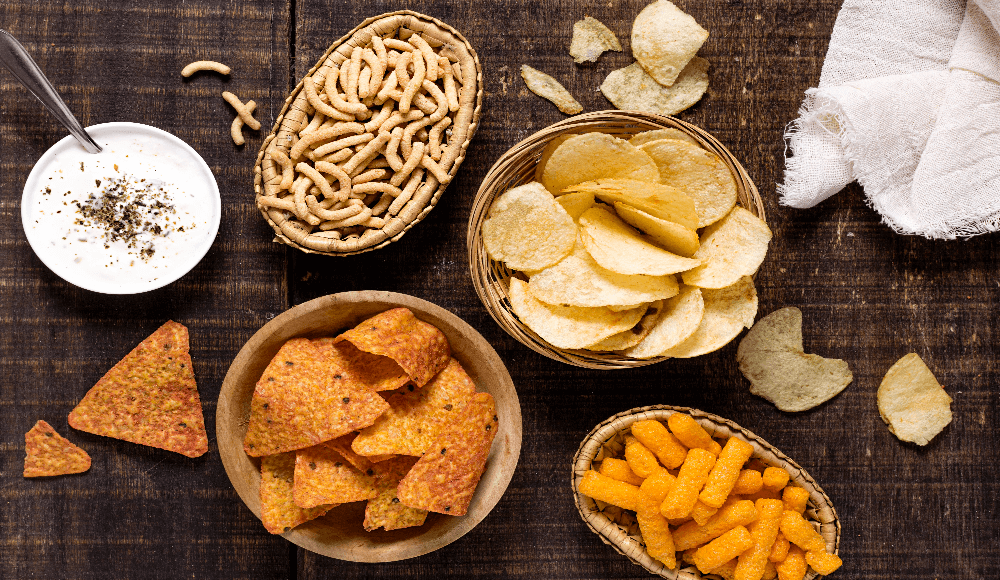
In patients with COPD or asthma, dairy can thicken airway secretions and make mucus harder to clear. A trial reduction is worth considering when a patient reports increased mucus production.
Carbonation causes bloating and diaphragm pressure that restricts breathing depth. The high sugar content drives systemic inflammation and worsens asthma and COPD symptoms.

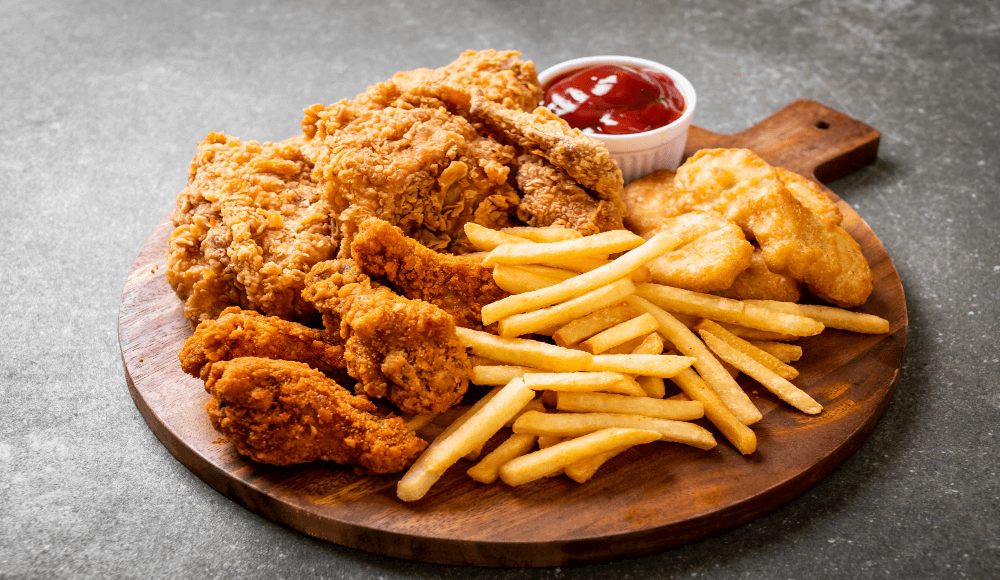
Trans and saturated fats promote systemic inflammation and contribute to abdominal weight gain, which places direct mechanical pressure on the diaphragm and limits lung expansion.
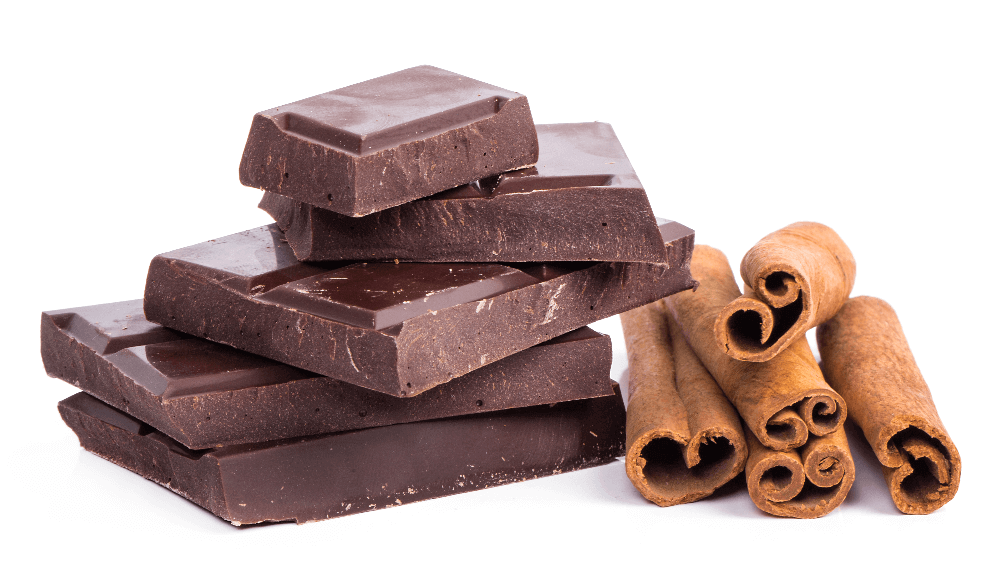
Milk chocolate combines high sugar with caffeine, both of which worsen respiratory inflammation and can reduce the effectiveness of bronchodilator medications.
Alcohol suppresses airway immune cells, increases susceptibility to respiratory infections, and is associated with higher rates of pneumonia and slower recovery from lung illness. For practical lung care, read our lung health guide and our lung transplant aftercare guide.

Dr. Vishal Khullar is a Cardiothoracic and Thoracic Surgeon with over 30 years of surgical experience and more than 7,000 completed procedures across heart, lung, and vascular conditions. He practices at Fortis Hospital Mulund, S.L. Raheja Hospital Mahim, and VLSR The Clinic in Mumbai, and specialises in complex cases including advanced lung disease, lung transplantation, and surgical management of thoracic conditions that have not responded to medical treatment.
Patients consult Dr. Khullar when symptoms have persisted despite treatment elsewhere, when a second opinion on a complex diagnosis is needed, or when surgical evaluation for a lung or heart condition becomes necessary. You can explore his full range of treatments and expertise or book a consultation directly. His focus is on accurate diagnosis and the right intervention at the right time, including knowing when surgery is and is not the answer.


[…] To know more about foods for lung health, read our blog: Foods For Your Lung Health: What to Eat and What to Avoid. […]