Views: 40



When the heart’s pumping ability collapses suddenly, the rest of the body stops getting enough blood almost immediately. That drop in output starves organs of oxygen within minutes, and without rapid intervention, it progresses toward organ failure. This is a true medical emergency, not something that resolves with rest or waiting it out. Cardiogenic shock management depends entirely on how fast the underlying cause gets identified and treated. What happens in the first hour often decides the outcome.
According to Dr. Vishal Khullar, a leading Cardiac Surgeon in Mumbai, “Cardiogenic shock doesn’t give you time to deliberate. By the time a patient reaches us in that state, every minute without the right support costs tissue and organ function. Acting fast, with the right device or intervention, is what actually changes the outcome.”
Usually, it traces back to a single triggering event. But the warning signs? Deceptively ordinary, at first.
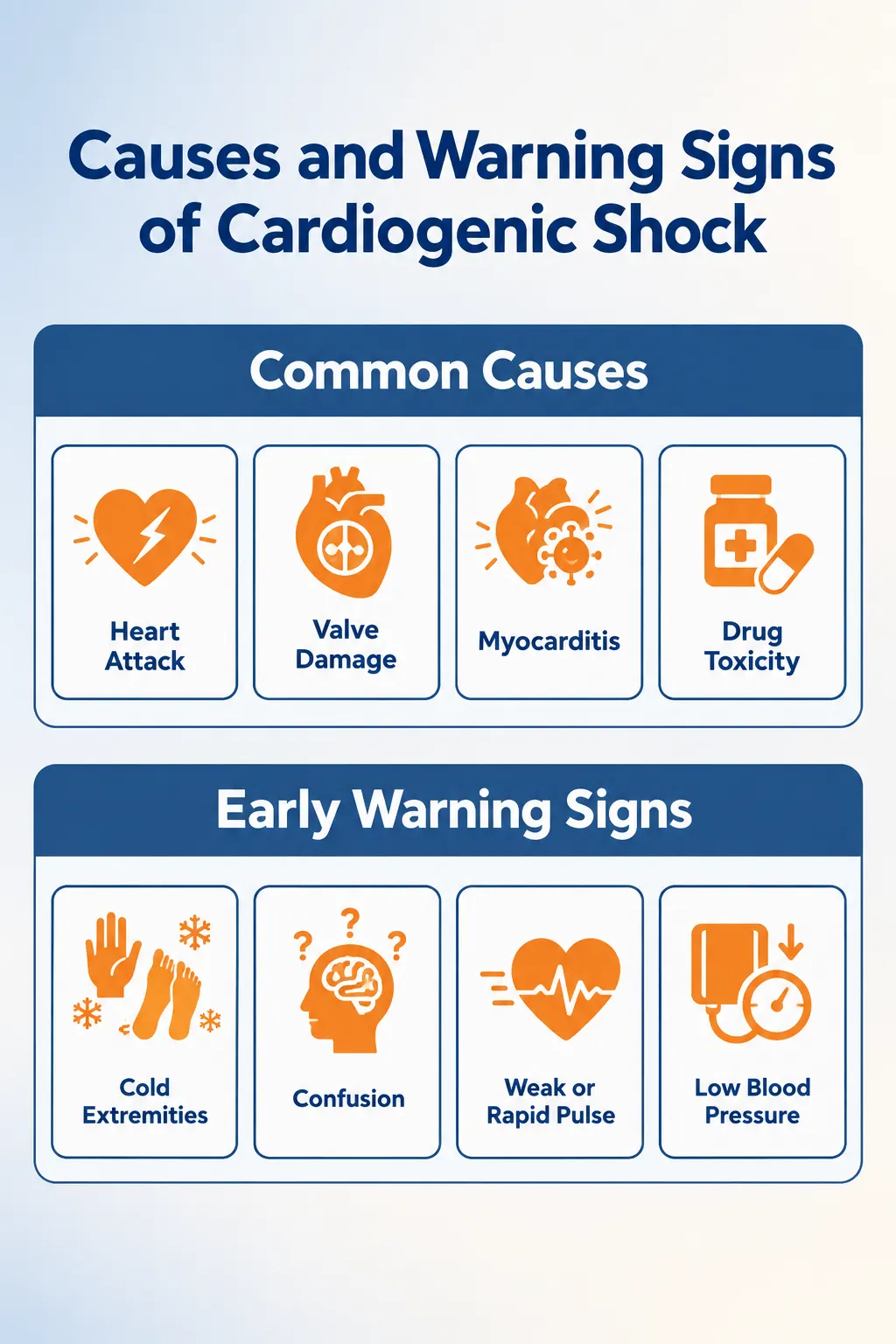
A heart attack causes most of these cases, by far, since it can damage enough heart muscle to cripple pumping function within hours. But cardiogenic shock isn’t the heart attack itself. It’s a complication that can follow one. Doctors split the causes two ways, ischemic, tied to a blocked artery, and non-ischemic, everything else, valve damage, myocarditis, drug toxicity among them. And the early symptoms, cold hands and feet, confusion, a weak or racing pulse, get mistaken for exhaustion or a bad flu more often than you’d think. That delay costs time the patient doesn’t have to spare.
Once the heart genuinely can’t keep up on its own, mechanical support such as ECMO therapy often becomes the bridge that buys time.
Could these symptoms be cardiogenic shock? Get emergency care now, this isn’t something to schedule for later.
Usually, it traces back to a single triggering event. But the warning signs? Deceptively ordinary, at first.
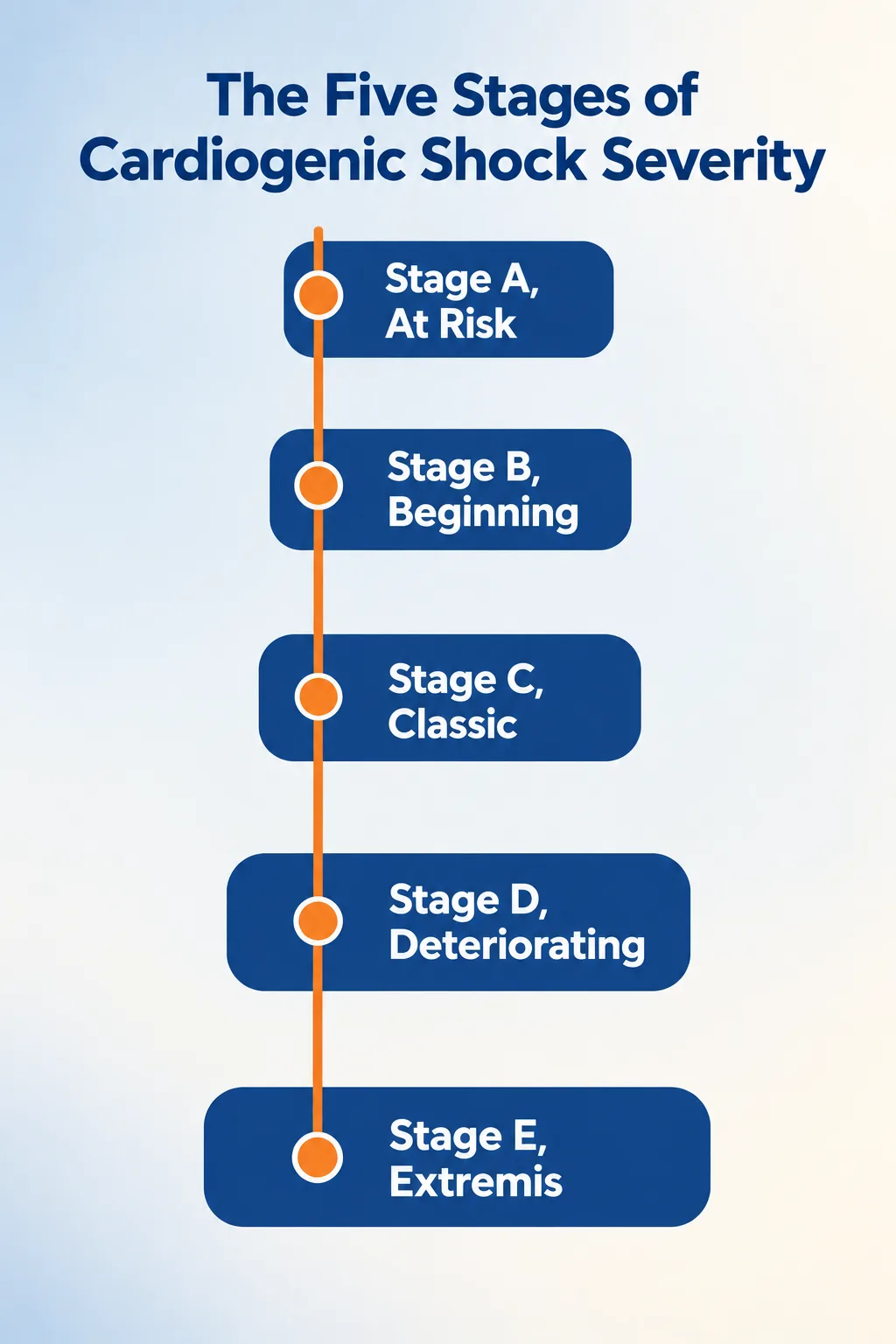
Immediate stabilization: Oxygen comes first. Then carefully managed IV fluids and medications to support blood pressure and heart contractility, often started before the cause is even confirmed.
Identifying the cause: An echocardiogram and a coronary angiogram, usually within that first hour. What’s actually driving the shock changes the treatment plan entirely.
Mechanical circulatory support: ECMO, an intra-aortic balloon pump, Impella. Once medication alone isn’t holding blood pressure steady, one of these takes over part of the heart’s workload.
Treating the root cause: Emergency angioplasty if it’s a blocked artery. Surgery if it’s a damaged valve. Whatever actually triggered the shock, that’s the real target, not just the symptoms.
Mechanical support decisions in cardiogenic shock often come down to choosing between two specific devices. Our comparison of ECMO vs LVAD breaks down how that choice actually gets made.
Dr. Vishal Khullar is a Cardiovascular and Thoracic Surgeon with over 30 years of experience and more than 7,000 cardiac procedures, including emergency ECMO deployment for cardiogenic shock. His training includes time at Cleveland Clinic and a role as Senior Associate Consultant at Mayo Clinic in the US, where his published work includes ECMO use as a bridge to surgery in cardiogenic shock. His practice covers the full spectrum of cardiogenic shock management, from mechanical circulatory support through to the definitive surgery that follows.
Disclaimer: This blog is for general informational purposes only and is not a substitute for professional medical advice, diagnosis, or treatment; please consult a qualified doctor for any health concerns.