Post Views: 1,238



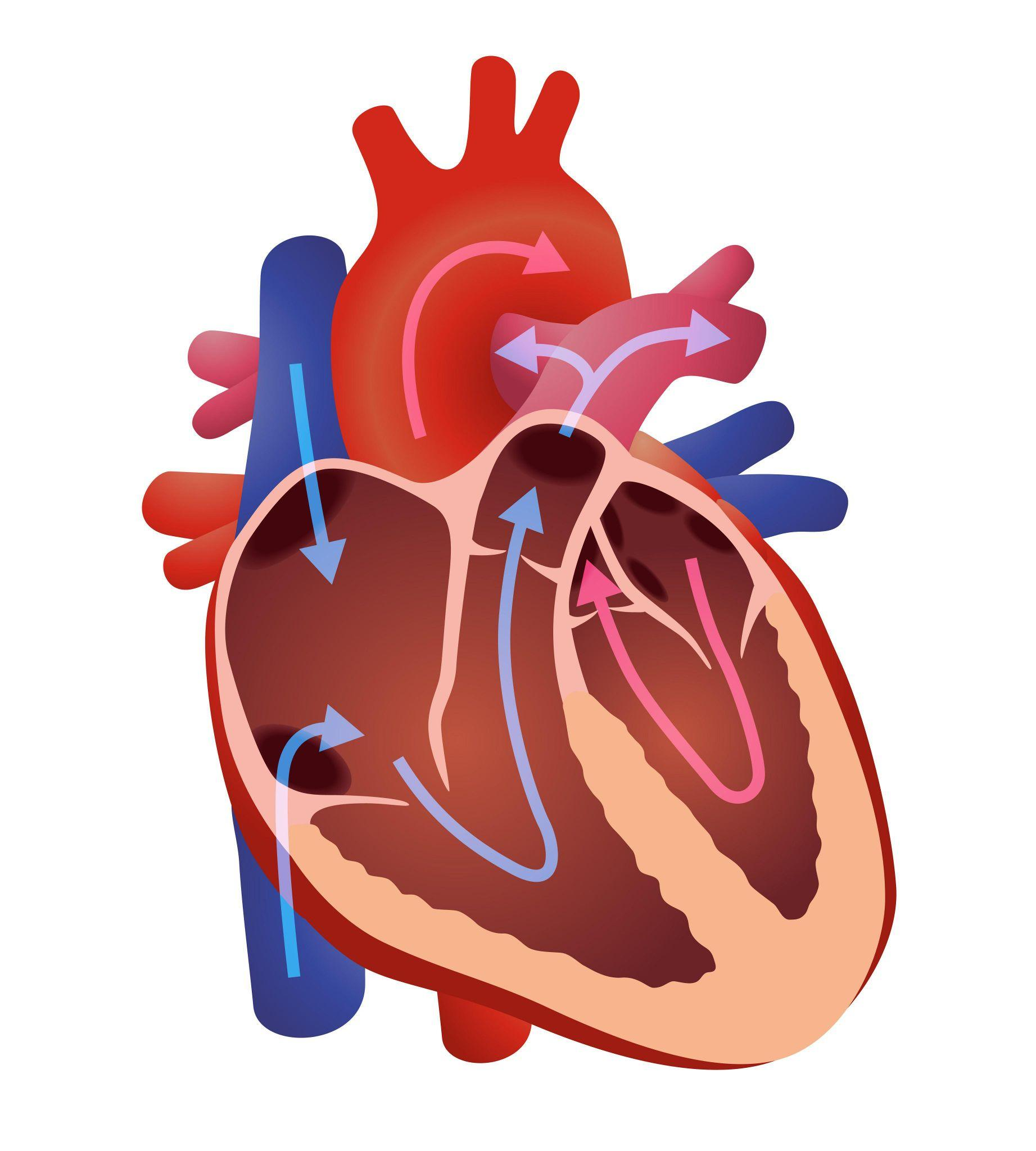
Heart valve problems often start quietly. A patient comes in for a routine checkup, an echocardiogram picks up something unusual, and suddenly there’s a conversation about right-sided heart failure that wasn’t there before. The thing is, the right side of the heart doesn’t get as much attention as the left. But when it fails, the problems are just as serious.
Dr. Vishal Khullar, an experienced Cardiac Surgeon in Mumbai, India, trained at Mayo Clinic and Cleveland Clinic, and currently the Director of heart and lung transplant program at Fortis Mulund, has evaluated hundreds of patients with valve disease progressing to right heart failure. This blog explains which valve diseases actually cause right-sided failure, why it happens, and what it means for treatment.
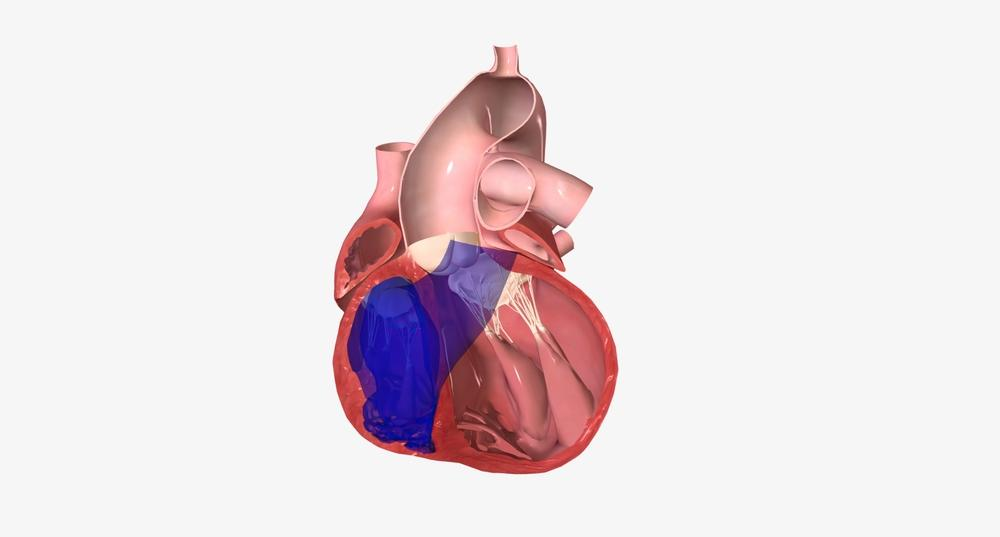
The right side of the heart has a simpler job than the left, but that doesn’t make it less important. It receives blood from the body that’s low in oxygen, pumps it to the lungs, and waits for that blood to come back oxygenated. Two valves do this job: the tricuspid valve between the right atrium and right ventricle, and the pulmonary valve between the right ventricle and the lungs.
When these valves don’t work properly, whether they’re leaking or narrowed, the right ventricle has to work harder. Over time, it gets exhausted. The muscle gets weaker. The chambers enlarge. And eventually, the right heart simply can’t pump enough blood where it needs to go.
The problem compounds because the right heart doesn’t fail in isolation. When it starts to struggle, fluid backs up into the veins. The liver gets congested. The legs swell. The body holds onto fluid. Patients feel miserable, and organs begin to suffer.
If your cardiologist has mentioned valve disease affecting your right heart, you deserve a clear explanation of what that means and what comes next. Understanding your condition now will help you make informed decisions about your care.
Book a consultation with Dr. Vishal Khullar to get clear answers about your valve disease.
Several valve problems can damage the right heart. Some start with the tricuspid valve, some with the pulmonary valve, and sometimes the problem actually comes from the left side of the heart forcing the right side to work too hard.
This is probably the most common culprit. The tricuspid valve leaks, allowing blood to flow backward into the right atrium. The right ventricle compensates by working harder. Over months and years, it enlarges, the regurgitation gets worse, and right heart failure develops. Ironically, severe right heart failure makes the tricuspid valve work even worse. It becomes a downward spiral that’s hard to stop.
Where the valve is too narrow, this is less common but serious. Blood can’t flow forward efficiently, pressure builds up behind the valve, and the right atrium enlarges. Again, the right ventricle is forced to work harder than it should. This is often seen in patients with rheumatic heart disease or after endocarditis.
This occurs when the pulmonary valve leaks. Blood that was just pumped to the lungs flows back into the right ventricle instead of moving forward. The right ventricle enlarges trying to accommodate this extra volume. Over time, the muscle weakens and the cycle continues.
Narrowing of the pulmonary valve forces the right ventricle to generate extreme pressure just to push blood to the lungs. Think of it like a garden hose with the nozzle almost closed. The pump works itself to exhaustion. In severe cases, this alone can cause right heart failure.
This deserves special mention because it’s actually the most common type. It doesn’t start from a problem with the tricuspid valve itself. It starts from the left side of the heart failing, or from pulmonary hypertension, or from atrial fibrillation. These conditions force the right side to work so hard that the tricuspid valve starts to leak. And this secondary leakage often becomes the bigger problem than what started it
Valve disease doesn’t always announce itself. Patients sometimes feel nothing until they’re short of breath, swelling up, or exhausted all the time. By then, the right heart has been working overtime for months or years.
When valve disease is caught early, there are options. Medical management, monitoring, timing repairs before the damage becomes irreversible. When it’s caught late, the right heart has already suffered significant damage. This is when treatment becomes much more complicated.
Right heart failure doesn’t happen overnight. It develops through stages, and each stage makes the next one worse.
The valve problem puts extra work on the right ventricle. The muscle responds by getting thicker. It’s working hard but still managing. The patient might feel a little tired or notice some swelling, but nothing dramatic.
Over time, the ventricle gets tired. It starts to dilate, or enlarge, to try to accommodate the extra volume or generate the extra pressure. Now there’s real inefficiency. The muscle is stretched too thin. It can’t contract properly anymore.
If it’s a tricuspid problem, pressure builds in the right atrium, then in the veins returning to the heart. Fluid starts to leak out of those veins into the tissues. The liver gets congested and stops working as well. The kidneys see the back pressure and hold onto salt and water, making the swelling worse.
By this point, the symptoms become real and noticeable:
Some patients develop atrial fibrillation or irregular heartbeat because the enlarged right atrium is electrically irritable. This makes everything worse.
By the time these symptoms are obvious, significant damage has occurred. The right ventricle is severely dilated and weak. The liver and kidneys have already started to suffer. Reversing this damage isn’t always possible, even with surgery.
This is why catching valve disease early matters so much. Fix a leaky or narrow valve before the right ventricle gets destroyed, and many patients do well. Fix it after years of damage, and recovery is much harder. The difference between these two scenarios is enormous.
Not every valve problem needs surgery. Minor leaks that aren’t getting worse get watched. The patient gets an echocardiogram periodically, takes medications if needed, and stays stable for years or decades.
But progressive valve disease that’s causing right heart failure is different. Surgery becomes the conversation.
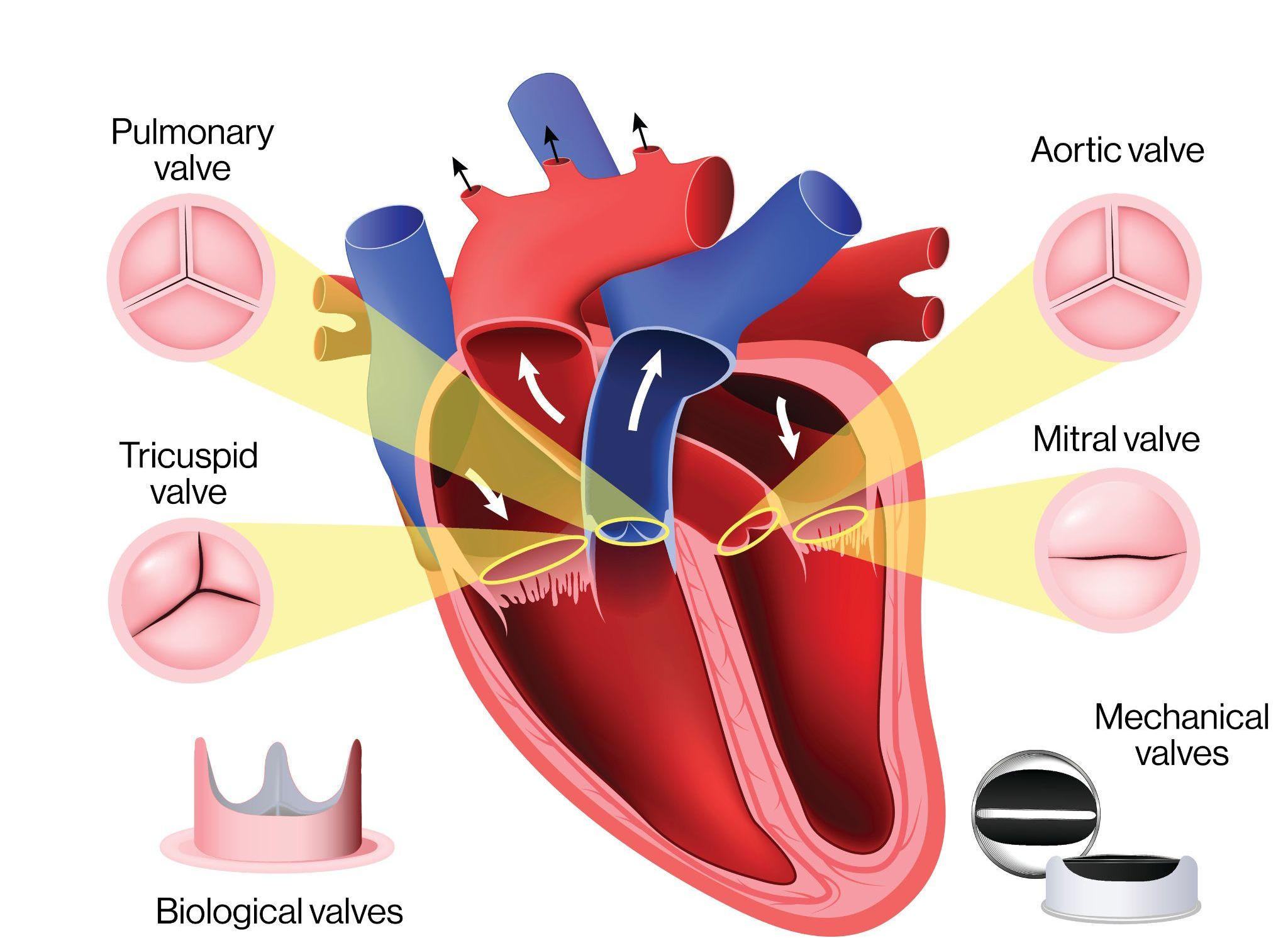
This is the preference whenever possible. For tricuspid regurgitation, surgeons can often tighten the valve, stabilize the annulus (the ring the valve sits in), or place a ring to support the valve and help it work better. For stenotic valves, sometimes they can be opened up. Repair preserves the patient’s own tissue and avoids the lifelong complications of a replacement valve.
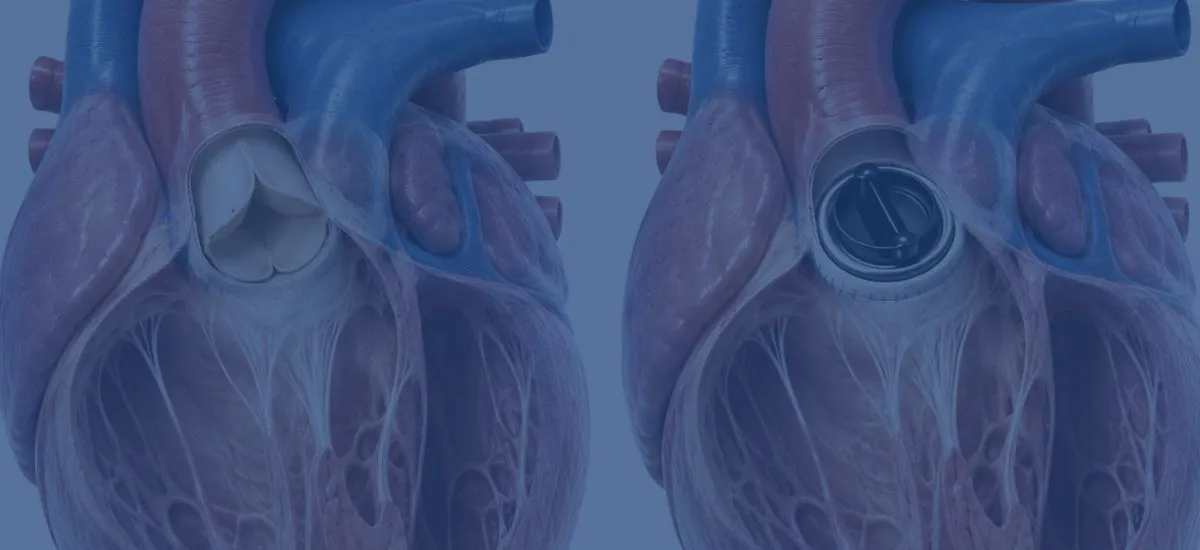
Sometimes this can’t be avoided. The valve is too damaged to repair, or repair has failed before. A replacement valve, either mechanical or biological, takes over the job. Mechanical valves last longer but require lifelong blood thinners. Biological valves don’t require blood thinners but eventually degenerate. It’s not a perfect solution, but it’s often better than leaving a severely damaged valve in place.
Wait too long and the right ventricle is too damaged to recover well. Operate too early before there’s real evidence of right heart dysfunction and you put the patient through surgery they might not have needed. This is where expert judgment matters tremendously.
Dr. Khullar regularly sees patients referred with longstanding valve disease and already established right heart failure. Some recover well with surgery. Others have lost too much function in the right ventricle. The muscle is dilated and weak beyond what valve repair alone can fix. In those cases, more aggressive therapy or even transplant evaluation becomes necessary.
Catch the valve disease, refer to a cardiac surgeon for evaluation before serious right heart damage develops, and fix it when repair is still possible. That’s when the difference between good and great outcomes becomes real.
Right sided heart failure from valve disease is often preventable if caught early. The problem is that valve disease doesn’t announce itself loudly. By the time symptoms are obvious, damage has often occurred. Understanding which valve problems lead to right heart failure, recognizing the early signs, and getting evaluated by a cardiac surgeon before the damage becomes irreversible makes all the difference.
If you’ve been told you have valve disease, whether tricuspid, pulmonary, or secondary to another heart problem, don’t wait to see how bad it gets. Right heart failure is progressive. Early intervention saves options. Dr. Vishal Khullar’s experience with complex valve disease and right heart problems means you get an honest assessment of where you stand and what your actual options are.
The question isn’t always whether you need surgery. It’s whether you’re getting evaluated by someone who’s seen hundreds of these cases and knows the difference between a valve problem that can be watched safely and one that needs intervention soon.
If you or someone you care for has been diagnosed with valve disease affecting the right heart, get a specialist opinion while you still have options.
Book a consultation with Dr. Vishal Khullar to discuss your valve disease and whether surgical intervention makes sense for your situation.