Views: 1,479



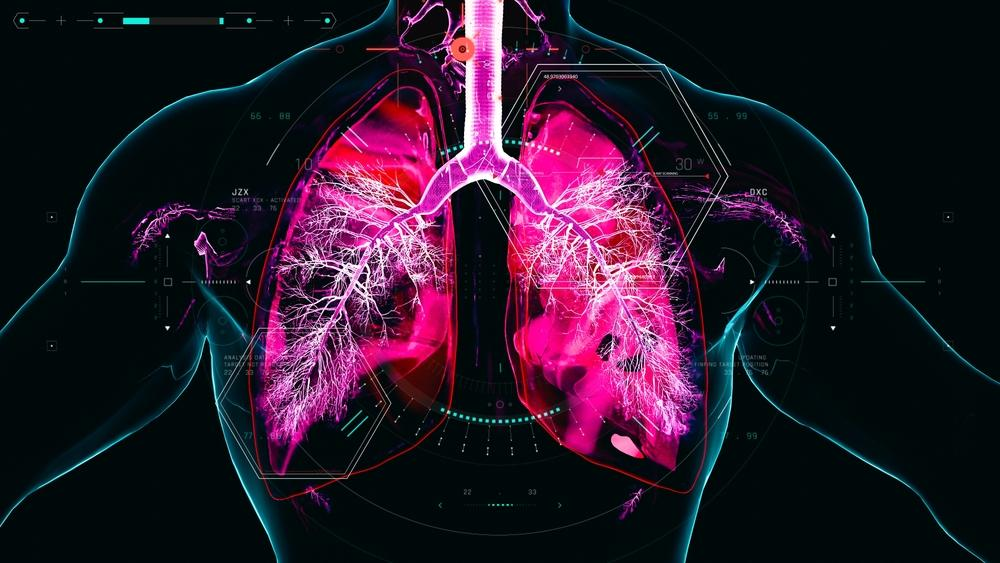
For most people living with COPD, a combination of medications, oxygen therapy, and pulmonary rehabilitation keeps things manageable. But there comes a point for some patients where the lungs simply cannot keep up anymore — no matter what is prescribed or adjusted. Doctors call this end-stage COPD, or GOLD Stage 4, and it marks a turning point that changes every conversation about treatment.
Dr. Vishal Khullar, an experienced Cardiovascular, Heart and Lung transplant Surgeon in Mumbai trained at Mayo Clinic and Cleveland Clinic, and currently the Director of heart and lung transplant program at Fortis Mulund, has been involved in over 300 heart and lung transplant procedures across India and the United States. This blog draws on that extensive experience to explain when a lung transplant genuinely becomes necessary, what patients can realistically expect, and how that decision gets made in actual clinical practice.
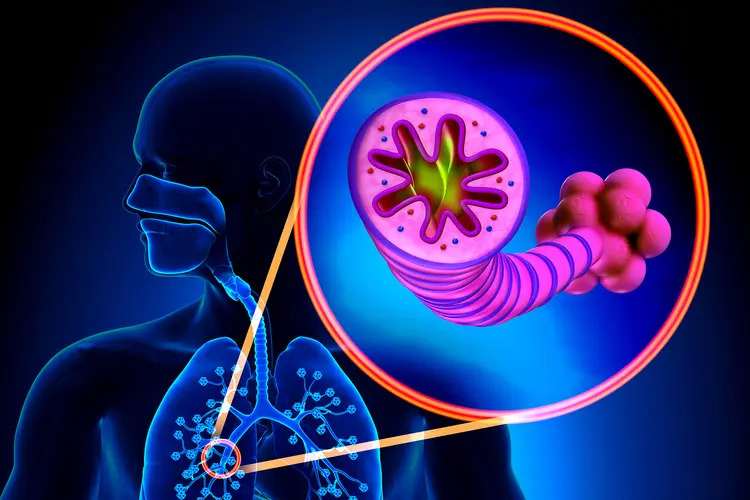
Most patients and families understand that COPD gets worse over time. What is less understood is what it actually looks like when it reaches the final stage.
At end-stage COPD, the lungs are so damaged that they cannot deliver adequate oxygen to the body, even during rest. Medications that once provided relief have stopped making a meaningful difference. Oxygen therapy helps, but it is not enough. The body is starving for oxygen, and every system begins to suffer.
Without intervention, survival rates for end-stage COPD are sobering. Studies show that patients with GOLD Stage 4 COPD face a median survival of 2-5 years. This drops further without treatment. The lungs simply cannot meet the body’s oxygen demands, and complications develop rapidly.
Once a patient reaches this stage, the goal of treatment fundamentally changes. It is no longer about managing symptoms. It is about keeping the person alive and preserving what quality of life remains.
If a cardiologist or pulmonologist has said that medications are no longer working as they should, that conversation deserves a second opinion from a lung transplant specialist. This is the point where evaluation becomes critical.
This is where lung transplant enters the picture — not as a quick fix, but as a genuine life-extending option for the right patient.
Understanding your end-stage COPD status is the first step toward exploring your options. Book a consultation with Dr. Vishal Khullar to determine if lung transplant evaluation is right for your situation.
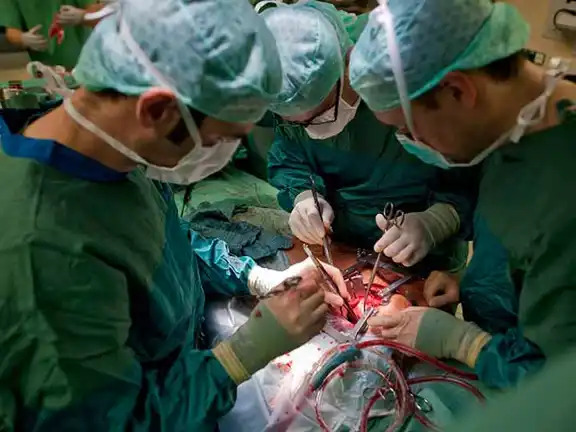
A lung transplant involves surgically removing the diseased lungs and replacing them with healthy lungs from a donor. For many carefully selected patients, it is life-changing. But understanding what it can and cannot do is essential before proceeding.
Healthy donor lungs can restore oxygen exchange and delivery to levels that even medication cannot achieve. Patients report being able to breathe without the constant struggle that defined their end-stage COPD experience.
Lung transplant patients who are selected carefully have a median survival of 5-7 years after surgery. Some patients live 10, 15, or even 20 years. Without a transplant, a patient with end-stage COPD faces 2-5 years at best. That extended time often means years with family, watching children grow, pursuing interests that were impossible before.
Many patients regain the ability to walk without exhaustion, travel with their families, return to work, and engage in activities that were impossible during end-stage COPD. The psychological impact of being able to breathe is profound.
Many transplant patients can reduce or eliminate the need for supplemental oxygen, restoring independence and freedom that end-stage COPD had taken away.
When the lungs finally deliver adequate oxygen, other organs that have been suffering from hypoxia begin to recover. Kidney function often improves. Nutritional status improves. The entire body has a chance to heal.
Chronic rejection (bronchiolitis obliterans syndrome or BOS) is a long-term concern that affects most patients. Median graft survival is 5-7 years, though individual outcomes vary significantly.
Patients must take immunosuppressive medications daily for life — or until the transplant fails. Missing doses or stopping medications causes rapid organ rejection. These medications carry significant side effects, including increased risk of infection, kidney disease, diabetes, bone weakness, and certain cancers.
While most episodes respond to treatment if caught early, chronic rejection remains an inevitable long-term concern. The body’s natural instinct to reject foreign tissue means you’re essentially managing a lifelong balancing act between preventing rejection and managing medication side effects.
Donor lungs are extraordinarily rare. Approximately 10-15% of patients on the waiting list die before a donor becomes available. The wait itself can be medically precarious if the patient’s condition deteriorates.
Transplant patients require frequent clinic visits, regular blood work, imaging studies, and lung function testing indefinitely. The medical involvement does not end; it simply becomes a permanent part of life.
Post-transplant complications include serious infections (bacterial, viral, and fungal), kidney disease, liver disease, bone loss, metabolic disorders, and malignancy. These are not rare side effects — they are common consequences of long-term immunosuppression.
The reality is this: a lung transplant trades one set of serious medical challenges for a different set. For the right patient at the right time, that trade is absolutely worth making. But it must be made with clear eyes about what life will actually look like.
Now the question becomes: who actually qualifies?
Not every patient with end-stage COPD is a suitable candidate for lung transplant. Donor organs are too rare to allocate to patients unlikely to survive surgery or benefit long-term from transplantation.
The lung transplant evaluation is thorough and takes 2-4 weeks, sometimes longer. It includes:
The reality: approximately 40-50% of patients referred for transplant evaluation are actually approved as candidates. The others may be too old, have other medical contraindications, lack adequate support, or simply not meet criteria. This is not rejection — it is careful stewardship of a limited resource.
For patients who are approved, the transplant process itself is complex and demanding.

What actually happens to the body after receiving transplanted lungs is something patients and families deserve to understand in detail.
Patients typically spend 2-4 weeks in the hospital. The body has endured major surgery. Pain is significant. Weakness is profound. Breathing exercises begin immediately — they are uncomfortable but essential. Most patients are mechanically ventilated initially and are gradually weaned as the new lungs take over function.
Rejection surveillance begins immediately. Frequent chest X-rays, blood work, and bronchoscopies are performed to detect early signs of rejection. The first 100 days are considered the highest-risk period.
Acute Rejection Occurs in 50-80% of patients within the first year. Presents with fever, shortness of breath, decreased oxygen saturation, and fatigue. If detected early through surveillance bronchoscopies and treated aggressively with high-dose steroids or other immunosuppressive therapy, most acute rejection episodes resolve.
Infections Immunosuppression leaves patients vulnerable to serious infections — bacterial, viral, fungal, and opportunistic pathogens. Infection is a leading cause of death in the early post-transplant period and remains a lifelong concern.
Chronic Rejection (Bronchiolitis Obliterans Syndrome or BOS) develops in most patients 3-5 years post-transplant. It represents a gradual, often irreversible decline in lung function. Managed with optimization of immunosuppression and supportive care, but the underlying process continues.
Metabolic Complications
Renal Dysfunction Chronic kidney disease develops in 15-20% of patients within a few years, often related to calcineurin inhibitor medications.
Bone Disease Corticosteroid-induced osteoporosis is common. Most patients require bisphosphonates or other bone-protective therapy.
Malignancy Cancer risk increases significantly — both non-melanoma skin cancer and internal malignancies occur at higher rates in this population.
Long-Term Management After Discharge:
Medication Management Patients take multiple medications daily: calcineurin inhibitors, mycophenolate, prednisone (at varying doses), plus medications for hypertension, diabetes, bone health, and other issues. Medication adherence is non-negotiable — missed doses risk rejection.
Surveillance and Monitoring
Lifestyle Modifications
Activity and Work Most patients gradually return to moderate activity by 6-12 months. Many return to part-time or full-time work. Physical capacity is typically less than pre-COPD baseline but dramatically better than pre-transplant end-stage disease.
Fertility and Family Planning. Women of childbearing age can potentially become pregnant after a transplant, but pregnancy is considered high-risk and requires specialized obstetric and transplant team management. Counseling and planning are essential.
The overarching reality: life after lung transplant requires extreme dedication to medical management. But for patients who can commit to this, the return of the ability to breathe and engage with life often makes the burden worthwhile.

End-stage COPD is devastating, but lung transplant offers a genuine second chance for carefully selected patients — giving them years of life with adequate oxygen and the ability to be present with family. The key is early evaluation. Waiting too long closes options that could have been available, especially when medications fail and organs begin to deteriorate. If conventional treatments are no longer working, consulting a lung transplant specialist is essential to understand all available options while they still exist. Dr. Vishal Khullar’s 30+ years of experience and world-class transplant training in Mumbai ensure that early evaluation preserves options and thoughtful decision-making leads to better outcomes.
If you or someone you care for is at this stage, get an expert evaluation while options remain available. Book your consultation here.