Views: 5,046



The seven daily habits that damage the heart are smoking, excess sugar and salt intake, prolonged sitting, poor sleep, chronic stress, heavy alcohol consumption, and poor oral hygiene. Each gradually raises blood pressure, triggers systemic inflammation, and accelerates arterial plaque buildup, increasing the long-term risk of heart disease. Heart disease rarely develops suddenly. It builds over years through small, consistent habits that quietly damage the cardiovascular system.
According to Dr. Vishal Khullar, a specialist in cardiovascular surgery, “Most heart attacks are not caused by a single event. They are the result of small daily habits sustained over ten to fifteen years, and the heart begins to recover the moment those habits change.”
Worried a few of these habits sound like you? Get a heart check-up before they catch up.

The human body is built for regular movement, not extended periods of sitting. Long hours at a desk followed by additional sedentary time slow circulation, disrupt blood sugar regulation, and raise triglyceride levels in the blood. Even individuals who exercise daily face a higher risk of heart disease if they remain seated for most of the rest of the day.
When physical activity is reduced for long stretches, the body lowers its metabolic demand, which leads to fat accumulation around the abdomen and within the arterial walls. This combination directly increases the risk of high blood pressure, type 2 diabetes, and coronary artery disease over time.
Forget the one-hour workout fantasy. Small breaks win.

Skipping breakfast does more than make you grumpy by 11. People who skip it regularly end up with higher chances of weight gain, blood pressure issues, and cholesterol that’s all over the place. Your body, when it doesn’t get fed early, panics a bit. It starts holding onto fat and spiking insulin the next time you eat.
Plus, eating at random times throws off your blood pressure rhythm. Heart doesn’t love that.
A proper breakfast keeps blood sugar steady, calms cortisol, and stops the 4 pm sugar crash that makes you eat half a packet of biscuits. It also helps the hormones that tell you you’re full actually do their job. Want food ideas? Visit 15 Incredibly Heart-Healthy Foods.
Most people skip not because they’re not hungry, but because mornings are chaos. Prep saves you.

Sleeping less than 7 hours a night on a regular basis is among the most harmful daily habits for heart health. Sleep is the period when blood pressure naturally drops, heart rate slows, and the body repairs cellular damage accumulated through the day. When this recovery window is consistently cut short, the heart loses critical restorative time.
Long-term sleep deprivation is directly linked to chronic inflammation, weight gain, and a measurable increase in the risk of heart attack and stroke.
Poor or disrupted sleep prevents the natural nocturnal drop in blood pressure, leaving the arteries under sustained pressure throughout the night. Sleep apnea compounds the problem by intermittently reducing oxygen levels, often without the patient being aware of it. Patients with longstanding sleep-related hypertension may eventually require heart bypass surgery if arterial damage progresses untreated.
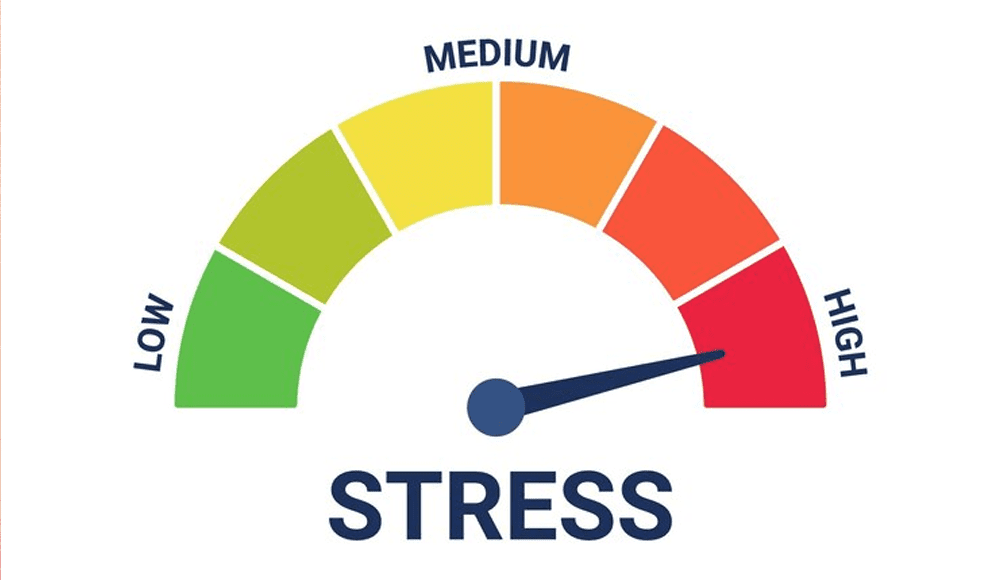
Stress on its own doesn’t directly cause heart disease. But what your body does with stress, that’s the problem. Repeat stress means your blood pressure stays up, cortisol stays up, blood sugar gets weird, and inflammation creeps in. It also pushes you toward other bad habits, smoking more, eating junk, skipping the gym.
The pressure-cooker effect is very real. Cardiologists see this pattern over and over, especially in working professionals between 35 and 55.

Heavy or frequent drinking pushes blood pressure up, weakens the heart muscle, and messes with heart rhythm. Even people who only really drink on weekends, but go hard when they do, are putting strain on the heart. If you’ve already got heart problems, this matters even more.
Smoking is the single biggest preventable cause of heart disease, full stop. It wrecks the inner lining of arteries, drops oxygen in your blood, and forces your heart to work harder than it should. The scary part? Younger smokers are now showing up in cardiac wards way earlier than before. Some tips for younger people to dodge early heart attacks actually help.

Fast food and packaged snacks are basically sodium, refined oils, trans fats, and sugar wrapped in marketing. Eat them often and your cholesterol creeps up, blood pressure follows, your waistline expands, and your heart pays for it all.
The real issue isn’t one burger. It’s four burgers a week, plus chips, plus that giant cola. That’s what narrows arteries. And kids growing up on this stuff? They’re showing heart trouble in their 20s now.
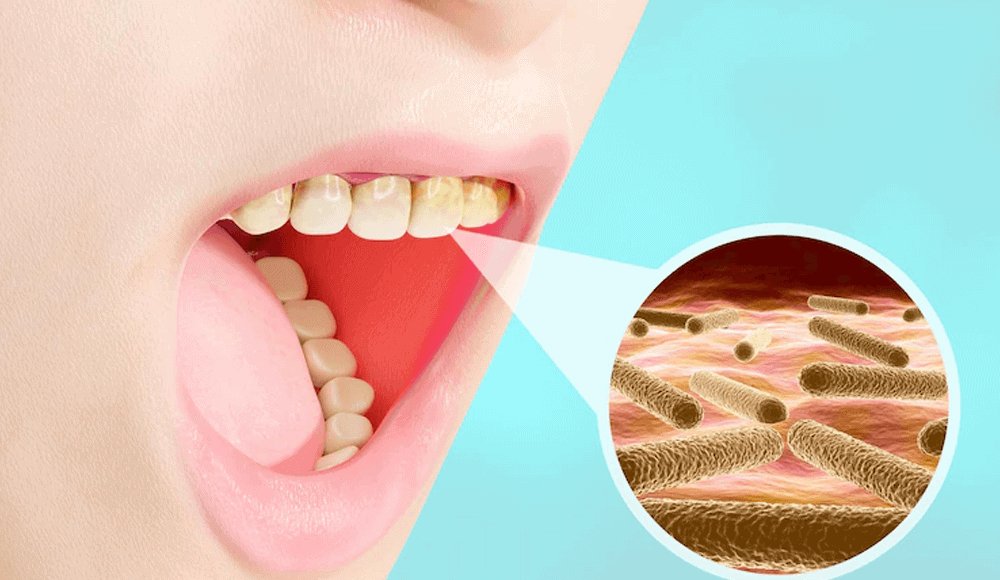
Sounds random but it’s not. Bacteria from gum disease can get into your bloodstream, inflame artery walls, and raise the risk of heart infections plus atherosclerosis. People with poor dental care show consistently higher rates of heart trouble.
If you’ve got artificial valves or any heart implant, dental care isn’t optional. Bacteria from a bad gum can travel straight to the heart and cause endocarditis, which is serious.
Nobody fixes ten years of habits in a weekend. But the heart’s pretty forgiving, it bounces back faster than most people expect once you actually start. Pick one habit. Give it a month or so. Then the next.
If you’re already feeling stuff like chest tightness, breathlessness, or weird fatigue, please don’t wait it out. Talk to an experienced cardiovascular surgeon in Mumbai or just go to the nearest emergency room. Catching things early changes outcomes massively. The Open Heart Surgery Cost In Mumbai page is also there if you’re researching.
Dr. Vishal Khullar is one of Mumbai’s most trusted cardiovascular and thoracic surgeons, with 30+ years of experience and over 7,000 successful surgeries done across India and globally. From routine heart bypass surgery to complex heart transplants, valve repairs, redo cardiac operations, and ECMO therapy, he handles the full range of modern cardiac care.
Patients fly in from across India, the Middle East, Africa, and beyond for his surgical precision and the patient-first way he works. He sees patients at Fortis Hospital Mulund, S.L. Raheja Hospital Mahim, and VLSR Clinic Khar West, so world-class cardiac care is always close by.
Concerned that some of these habits apply to you?