Trusted By
9,000+ Patients Globally


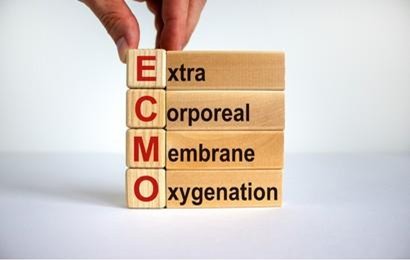
If you’ve ever been in an ICU or had a loved one there, you know how fragile those moments can feel. Sometimes the heart or lungs just can’t keep up anymore—despite every possible medicine, device, or ventilator. That’s when Extracorporeal Membrane Oxygenation (ECMO) comes in.
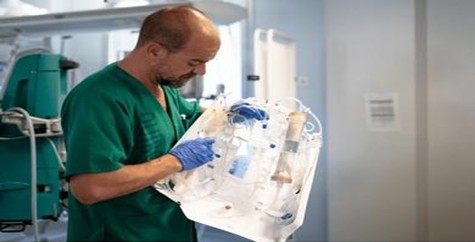
Think of ECMO as a temporary substitute for your heart and lungs. It pulls blood out, runs it through an artificial lung to add oxygen and remove carbon dioxide, and then sends it back into your body. It’s advanced, yes—but at its core, ECMO is about time. Time for healing. Time for doctors to work. Time for families to hold onto hope.
“ECMO is not just about machines—it’s about giving patients and families hope when all other options seem exhausted.” — Dr. Vishal Khullar
Here’s the thing: ECMO steps in only when everything else fails. And that’s why it’s considered one of the biggest breakthroughs in critical care medicine.
So, when do doctors actually use ECMO?
ECMO isn’t for everyone—and it’s never the first choice. Doctors turn to it when a patient is so critically ill that the heart or lungs just can’t function on their own anymore.
Imagine someone with severe Acute Respiratory Distress Syndrome (ARDS) from pneumonia or even COVID-19. Their lungs are so inflamed and stiff that a ventilator can’t push enough oxygen in. Or picture a patient in cardiogenic shock after a massive heart attack—the heart is simply too weak to pump blood. That’s when ECMO takes over.
Other times, it’s used after big heart surgeries when recovery is slow, or as a “bridge to transplant” while a patient waits for a new heart or lungs. In rare but severe cases of sepsis, ECMO may also keep organs alive until treatment works.
Doctors carefully weigh who should go on ECMO. Age, health, and recovery chances all matter because this is not a casual decision—it’s a lifeline offered only when there’s a real shot at survival.
When ventilators aren’t enough, ECMO can be the safety net. Consult Dr. Vishal Khullar today./strong>
But if ventilators already help people breathe, why can’t they handle these situations?
Here’s the difference: ventilators don’t replace lungs—they just assist them. They push air in and out, but the lungs still have to exchange oxygen and carbon dioxide.
Now, if lungs are waterlogged from infection, scarred, or just too stiff, no amount of pressure from a ventilator will help. In fact, high pressures can actually cause more harm, like tearing fragile lung tissue.
The same goes for the heart. Medications and devices can only do so much. In conditions like fulminant myocarditis or a massive pulmonary embolism, blood flow crashes. That’s when ECMO bypasses the failing organs entirely, keeping oxygen moving to the brain and other vital organs.
Here’s a simple analogy: think of a ventilator as power steering in a car—it makes things easier but only if the wheels are still working. ECMO, on the other hand, is like temporarily towing the car—it takes over the entire job until repairs are possible.
That sounds powerful—but also a little scary. What about the risks?
Absolutely. Families often feel torn when they hear the word “ECMO.” On one hand, it offers hope. On the other hand, it sounds invasive—and it is.
Large tubes go into big blood vessels. Blood thinners are needed to stop clots. Risks like bleeding, stroke, infection, or limb complications are real. It’s natural to wonder if ECMO will do more harm than good.
But here’s the key: ECMO is offered only when the alternative is worse—almost no chance of survival without it. In centers with experienced teams, risks are carefully managed with strict safety protocols and constant monitoring.
And recovery? It doesn’t happen overnight. Coming off ECMO is just the start. Patients may still need ICU care, rehabilitation, and emotional support. What ECMO buys is time, time for organs to rest and heal, time for families to hope for a future.
Stay informed about ECMO. Book a consultation now to get clarity.
So, once ECMO is stopped, what’s next for patients and families?
Here’s what many people don’t realize: stopping ECMO is not the finish line. It’s the start of a long recovery journey.
Patients often need weeks—or months—of rehab. This can include weaning off a ventilator, rebuilding muscle strength, eating well, and even addressing mental health. Some patients experience “post-ICU syndrome,” where recovery isn’t just physical but emotional too.
Families play a huge role here. Asking about rehab plans, attending follow-up appointments, and encouraging small steps all make a difference. Choosing a hospital with an experienced ECMO team ensures that care continues seamlessly from ICU to recovery.
Dr. Khullar’s team focuses on creating recovery plans unique to each patient. That might mean customized physiotherapy, nutrition guidance, or family counseling. The goal is always the same: moving patients from surviving to thriving.
Better outcomes need follow-up and rehab. Book your consultation today.
So what’s the big takeaway from all this?
The Role of ECMO in critical care has changed the game for patients who once had no options. By taking over the work of the heart and lungs, ECMO gives doctors and families the one thing they need most: time.
It doesn’t erase risks. But under the care of experienced specialists, ECMO has given thousands of patients a chance to heal. For families facing severe heart or lung failure, ECMO is not just a machine; it’s a bridge to life, a pause button that makes recovery possible.
References:
American Thoracic Society – Extracorporeal Membrane Oxygenation (ECMO)
https://www.thoracic.org/patients/patient-resources/resources/ecmo.pdf
National Heart, Lung, and Blood Institute (NHLBI) – What Is ECMO?
https://www.nhlbi.nih.gov/health/extracorporeal-membrane-oxygenation-ecmo