Trusted By
9,000+ Patients Globally



A healthy heart keeps life moving smoothly, but when its valves begin to fail, everyday activities can suddenly feel exhausting. According to recent global reports, over 30 million people worldwide live with significant valve disease. Among the various treatments available, triple heart valve replacement stands out as a rare but crucial intervention for patients with severe multi-valve involvement.
And in such cases, it’s only natural for one to wonder whether having multiple valve issues at once is normal.
Dr. Vishal Khullar, an accomplished Cardiac Surgeon in Mumbai, says:
“Needing a triple heart valve surgery can feel overwhelming at first. But for patients with advanced disease, it is often the most reliable way to restore heart efficiency. The key is early evaluation, timely planning, and ongoing support throughout recovery.”
What causes such severe valve damage in the first place? Here’s where things get more specific.
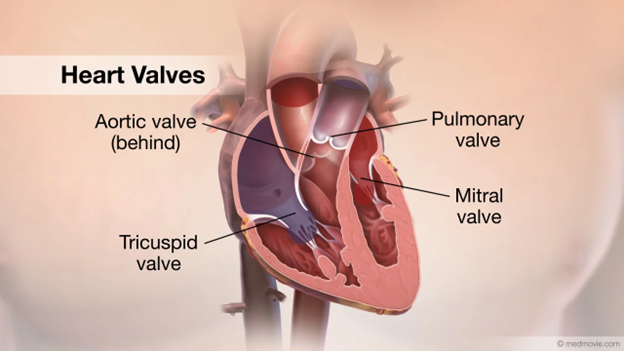
When all three valves are affected, there’s usually a long-standing underlying issue. Here are some of the main reasons this happens:
A common cause in developing countries, rheumatic disease triggers chronic inflammation, gradually stiffening or scarring multiple valves.
As people live longer, age-related wear can affect more than one valve at a time, especially the mitral and aortic valves.
Some individuals are born with structural valve issues that worsen over the years, affecting blood flow through all three chambers.
Bacterial infection inside the heart can destroy valve tissue rapidly, leading to severe valve damage treatment requirements.
Chronic strain on the heart can cause cascading valve malfunction, ultimately involving all major valves.
Dr. Vishal Khullar, a seasoned Heart bypass surgeon in Mumbai, shares:
“Triple valve involvement rarely happens overnight. It’s usually the final stage of a long journey of undetected or untreated conditions. Regular check-ups play a major role in preventing such progression. Once the damage reaches a certain point, replacement becomes the safest option.”
On the other hand, fatigue is due to the body’s diversion of energy for fighting the infection, thus leaving the patient with a feeling of weakness and lethargy. These infective endocarditis symptoms are common and may continue even for weeks if left untreated.
Next let’s unravel when doctors decide that surgery is necessary.
Doctors may recommend triple valve replacement when all three valves are significantly narrowed or leaking, causing noticeable disruption in everyday life:

Difficulty breathing during exertion—or even at rest—occurs when faulty valves prevent proper blood flow, forcing the heart to work harder.
Fluid buildup results from inefficient pumping, leading to heaviness, tightness, or visible swelling.
Low energy levels happen because tissues receive less oxygen-rich blood, making even simple tasks feel draining.
A fluttering or racing heartbeat suggests the heart is struggling to maintain stable rhythm due to increased workload.
Activities like climbing stairs or walking short distances may become difficult, reflecting weakened heart performance.
Dr. Vishal Khullar, a renowned Heart transplant surgeon in Mumbai, mentions:
“A heart struggling with three faulty valves has limited time before its pumping ability drops drastically. The goal is not only symptom relief but preventing long-term damage to the heart muscle. Early surgical planning protects the patient’s overall health and longevity.”
It’s natural to be concerned about the level of risk associated with this surgery.
Every major surgery carries risks, and triple heart replacement is no exception. The overall risk depends on several factors such as age, general health, heart strength, and the presence of conditions like diabetes or kidney concerns.
A few manageable risks include:
Still, it’s reassuring to know that most patients do well when the surgery is planned carefully and supported by a structured recovery plan.
Dr. Vishal Khullar, a meticulous Cardiovascular surgeon in Mumbai, says:
“Many of the earlier challenges seen have reduced greatly, making triple heart valve replacement a strategic solution for patients requiring aortic, mitral, tricuspid valve replacement. Advanced centers offering cardiac surgery in India now follow evidence-backed protocols, utilize minimally invasive tools when suitable, and emphasize strong post-operative care systems to lower complications even further.”
If you’re noticing symptoms or have been advised surgery, consulting a qualified specialist is important for the right guidance and treatment plan.
But what influences these outcomes even more? You’ll want to read the next section carefully.
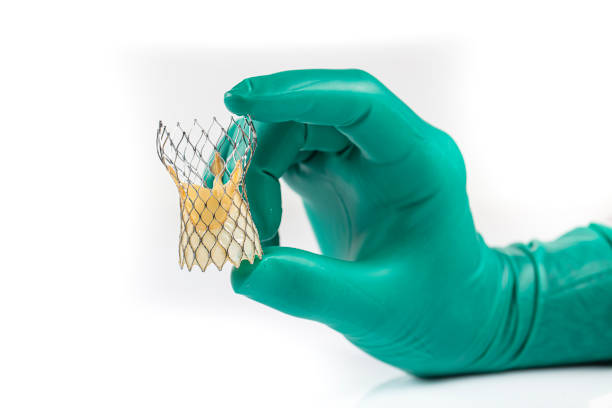
Several elements come together to shape the overall outcome of triple heart valve replacement.
Younger and healthier individuals generally recover faster, while older patients may need additional medical support.
A well-functioning heart recovers better post-surgery, minimizing the chance of complications.
Mechanical valves last longer but require lifelong blood thinners. Bioprosthetic valves need fewer medications but may require future replacement.
Having a specialized Cardiovascular surgeon with extensive experience improves precision and post-operative outcomes.
Timely checks and structured rehab programs maintain heart stability and restore strength gradually.
Ready to understand how recovery should be handled? Let’s continue.

Recovery after triple heart valve replacement needs patience, routine, and consistent monitoring. Here’s what usually helps patients regain strength:
Light walking builds stamina without straining the heart.
Blood thinners, antibiotics, and heart-strengthening medicines must be taken as instructed.
Monitoring the incision site helps prevent complications.
Echocardiograms and clinical evaluations ensure the valves are functioning well.
Low-salt, nutrient-rich meals help maintain stable blood pressure and heart function.
Wondering what comes after the recovery phase? Let’s look at long-term protection next.
Dr. Vishal Khullar, a trusted heart specialist for Aortic aneurysm surgery in Mumbai, advises, “Staying heart-healthy after surgery is a lifelong commitment, patients need to maintain steady routines that support heart strength.”
Useful strategies include:
Over time, these habits help support valve longevity and reduce the risk of future issues.
Triple heart valve replacement is a complex but effective solution for advanced multi-valve disease. With advancements in imaging, refined surgical tools, and improved prosthetic valves have significantly improved safety, and survival rates continue to rise worldwide.
With timely diagnosis, expert care, and strong follow-up routines, many patients return to active and fulfilling lives after surgery.
If you or a loved one is concerned about severe valve issues or worsening symptoms, seeking professional guidance can help you understand options and plan the next steps confidently.
Let’s finish strong with a helpful FAQ section.
Do you want help deciding the best approach for multi-valve disease or complex heart problems? Consult a qualified specialist for clarity and proper direction tailored to your health needs.
References:
https://my.clevelandclinic.org/health/diseases/17639-what-you-need-to-know-heart-valve-disease
Disclaimer: The information shared in this content is for educational purposes only and not for promotional use.