Trusted By
9,000+ Patients Globally



Lung transplantation has essentially become a survival tool for people with severely damaged lungs, situations in which usually nothing works. Determining which patients really require a lung transplant and at what time is quite complicated a combination of factors such as the severity of the disease, the speed of the progression, and individual health conditions is taken into account. The reasons for lung transplantation keep changing as a result of the advances in our knowledge and improvements in surgical techniques.
Dr. Vishal Khullar, an expert cardiac surgeon in Mumbai, comments that chronic lung diseases like chronic obstructive pulmonary disease (COPD), idiopathic pulmonary fibrosis (IPF), and cystic fibrosis are the most common medical conditions leading to lung transplant surgery. Nevertheless, the choice to go for a lung transplant is not solely dependent on the diagnosis. Physicians evaluate the lung function, general health, stage of the disease, and whether the long term advantages of the transplant are greater than the risks of surgery and the post operative period. Dr. Khullar points out that it is crucial to pick the right patient at the right moment to get the best results, thereby enabling patients and families to comprehend when lung transplantation is the most effective and must be life saving treatment option.
Lung transplant surgery means we take out one or both lungs that are diseased and put in healthy ones from a donor. Usually, it is a last resort for patients with end stage lung disease that has not responded to any other treatments.
In the operation, the surgeons remove the lung that is causing the problem and put it in the lung of a donor. They may remove one lung, or both, and in some cases, they may remove the heart as well and put in the donor’s heart and lungs. Here’s a brief overview:

Single Lung Transplant
A single lung transplant is about changing one lung with a diseased one. This procedure is generally suitable for cases where the damage is limited to one lung or the patient’s health condition allows for a less complex operation.
Double Lung Transplant
By a double lung transplant, both lungs are removed and replaced with the donor’s lungs. The procedure is usually recommended for severe bilateral lung diseases, providing better long, term outcomes in such cases.
HeartLung Transplant
A heart/lung transplant is the replacement of the left and right lungs as well as the heart with those of a donor. The decision to go for the transplant is made when a patient is suffering from severe lung disease along with irreversible damage to the heart that cannot be treated separately.
The operation is pretty major and can take several hours. After the surgery, doctors open up the patients airways and blood vessels to attach the new lung. They do tests to check that the lung is working properly. Most patients are kept on a ventilator and some use ECMO (a machine that supplements heart and lung function) during surgery.
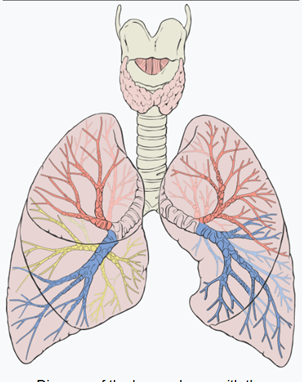
Lung transplant is basically the last option when the lungs are so damaged that other treatments no longer work. We evaluate the severity of the disease and check if a transplant can actually make a difference in survival and quality of life.
Chronic Obstructive Pulmonary Disease (COPD)
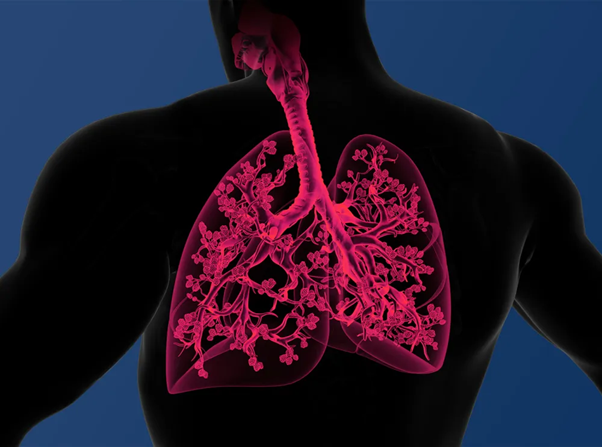
Chronic obstructive pulmonary disease is the major cause of lung transplant surgery. In particular, this occurs when the symptoms worsen continuously despite the application of the best medical treatment and the condition of the patient severely hampers the normal daily routine.
Idiopathic Pulmonary Fibrosis (IPF)

Idiopathic pulmonary fibrosis is a disease that progressively scars the lungs, and eventually, respiratory failure is inevitable. Thus, lung transplantation becomes a vital choice for patients with advanced, stage disease.
Cystic Fibrosis
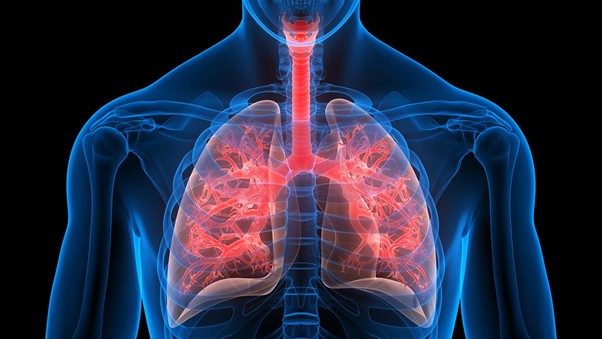
Cystic fibrosis causes the lungs to be infected chronically and eventually damages them progressively. Lung transplantation might be suggested if lung function continues to drop despite the provision of intensive and continuous medical care.
Gastroesophageal Reflux Disease (GERD) can complicate things, so we often treat or even operate on GERD before moving ahead with a transplant.
For COPD, we look at things like the BODE score and lung function. With IPF, it’s about how fast the disease is progressing. Every patient is different, so doctors weigh the whole medical picture and what life could look like after transplant.
Lung transplantation becomes an option when someone’s lung disease just doesn’t respond to medication anymore. Doctors look at whether a transplant could help someone live longer or feel better, and if their overall health can handle such a big surgery.
Main Conditions That Lead to Transplant:
An important factor in getting good results from a lung transplant is the time when a patient is referred for it. The intention of the doctors is to refer the patients just before the lung condition becomes severely life threatening, but still, not so early that the risks of the operation would be greater than the benefits. For instance, a situation like interstitial lung disease usually necessitates a referral at a prior stage because the progression of such conditions can be extremely fast. Survival rates are therefore very good, going over 80%, within the first 90 days after surgery, when a lung transplant is done at the right time.
Physicians use a combination of clinical and laboratory assessments to make their decision including pulmonary function tests, exercise capacity, and disease, specific markers such as elevated BODE index in COPD or worsening lung function in pulmonary fibrosis.
Deciding when to start the transplant evaluation process takes a close look at how fast the disease is moving and how stable the patient is. Early referral to a transplant center helps give everyone enough time for the full workup and preparation, instead of waiting until things are urgent.
Doctors use several tests, like lung function tests (especially FEV1), BMI checks, and exercise tests. Patients get screened for any issues that could make transplant riskier or less likely to succeed.
Timing isn’t the same for every disease. For IPF, earlier referral is better since the disease can get worse quickly. The goal is to get on the transplant list before the patient gets too sick but also make sure the disease is severe enough to justify the risks.
Some patients need extra support like ECMO or ventilators while waiting for a transplant. Recent advances even let some patients on ECMO do rehab before surgery, which can help recovery later.
Key things we look at during evaluation:
Patients need to know what’s ahead—lifelong medications to prevent rejection, regular checkups, and sometimes time in the ICU. The evaluation helps pick those most likely to benefit and use donor organs wisely.
It can take time to fully understand the condition of heart failure, however, the right treatment and diagnosis made on time can help the patient to live a better and longer life. Recognition of symptoms and asking for the advice of a specialist will enable you to receive a management plan which will not only relieve the symptoms but also take care of the root cause. Having undergone thorough assessment, receiving state of the art drug therapy and if necessary taking advantage of any surgical procedure, patients suffering from heart failure can definitely regain a considerable degree of control over their condition and go on with life which can be quite active and rewarding under the care of a well, qualified cardiac specialist.
Wondering what comes after the recovery phase? Let’s look at long-term protection next.
Dr. Vishal Khullar, a trusted heart specialist for Aortic aneurysm surgery in Mumbai, advises, “Staying heart-healthy after surgery is a lifelong commitment, patients need to maintain steady routines that support heart strength.”
Useful strategies include:
Over time, these habits help support valve longevity and reduce the risk of future issues.
It can take time to fully understand the condition of heart failure, however, the right treatment and diagnosis made on time can help the patient to live a better and longer life. Recognition of symptoms and asking for the advice of a specialist will enable you to receive a management plan which will not only relieve the symptoms but also take care of the root cause. Having undergone thorough assessment, receiving state of the art drug therapy and if necessary taking advantage of any surgical procedure, patients suffering from heart failure can definitely regain a considerable degree of control over their condition and go on with life which can be quite active and rewarding under the care of a well, qualified cardiac specialist.