Trusted By
9,000+ Patients Globally


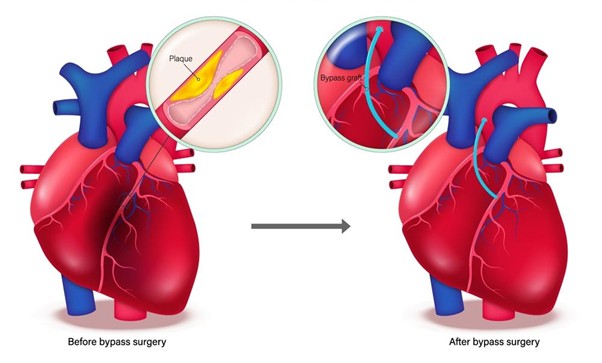
When the arteries of the heart get clogged or narrowed by plaque, the muscle that keeps you alive just can’t get the oxygen-rich blood it needs. This is coronary artery disease, and it’s huge: it causes chest pain, shortness of breath, and if you’re unlucky, a heart attack. Coronary artery bypass graft surgery gives your heart a new route for blood by using healthy blood vessels from elsewhere in your body to go around the blockages, lowering your heart attack risk and helping your heart work better overall. This is a decades-old surgery that doctors have relied on, and for people with grave coronary artery disease, it is still one of the best options.
We’re breaking down how this operation actually works and why it’s so effective at protecting your heart in the long term. Dr. Vishal Khullar, a cardiac surgeon in Mumbai, India, has broad experience with this lifesaving procedure. Let’s dig in: What happens during bypass surgery, how it helps blood reach your heart muscle, and how it can help prevent future heart problems.
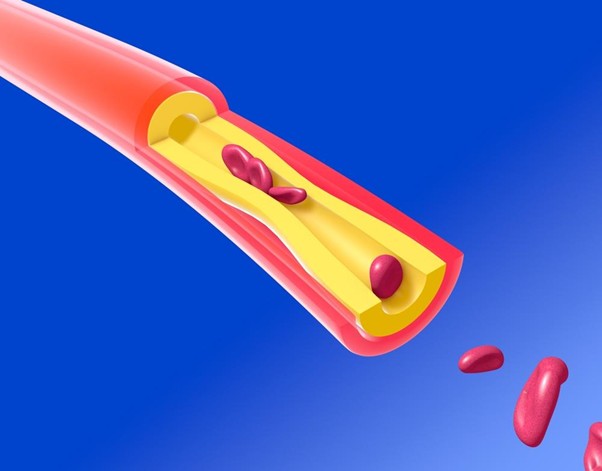
Coronary Artery Disease occurs when the arteries supplying your heart muscle become narrowed or blocked. This occurs because of atherosclerosis, which causes deposits of your own cholesterol and fat to build up along the walls of your arteries, narrowing them and blocking your blood flow.
The left anterior descending artery, or LAD, is particularly significant, and any obstructions there could really affect your heart function.
If your heart muscles are unable to get adequate oxygen, known as ischemic myocardium, you may be aware of the following:
Chest pain (angina) when you’re active or stressed
Shortness of breath
Fatigue
Irregular heartbeats (arrhythmias)
Some of the risk factors exacerbate CAD, such as high blood pressure, high cholesterol, and diabetes. These conditions can cause damage to the artery walls, making it easier for plaque to form. To determine whether your coronary arteries are blocked or not, we conduct several tests: a stress test measures your heart under strain, while an echocardiogram examines the structure of your heart. If a fine, detailed picture is needed, then coronary angiography does just that- it shows precisely where the blockages are occurring.
Narrowed arteries are treated with medications to control blood pressure and cholesterol and, in some instances, with procedures. Percutaneous coronary intervention, which is angioplasty or stenting, can open up occluded vessels. However, if you have many occlusions or they are at critical locations, such as the LAD, we may recommend coronary artery bypass graft surgery. Severe blockages allowed to progress without treatment can lead to a heart attack, heart failure, or life-threatening arrhythmias such as atrial fibrillation.
If you’re experiencing chest pain, breathlessness, or reduced exercise capacity, book a cardiac evaluation with Dr. Vishal Khullar today.
Coronary artery bypass graft surgery, known as CABG, is an open-heart surgery. It allows blood to get to your heart muscles through grafts, which go around blocked arteries. The grafts are made by using healthy arteries from other parts of your body.
The usual vessels we use for grafting are:
These grafts provide an opportunity for the oxygen-filled blood to bypass the obstruction and feed the heart muscle. The internal mammary artery is the most preferred graft because it remains open for the longest period among all grafts.
CABG surgery can be performed in a number of ways. The traditional CABG surgery performed with a heart-lung machine involves your heart being made inactive by a surgeon, with a heart-lung machine keeping your blood and heart active during surgery.
Then there is off-pump coronary bypass, or OPCAB, which is done while the heart is beating, thereby avoiding the use of the heart-lung machine. Special instruments are used to hold the part of the heart being worked on while the rest of the heart continues to function.
Some patients may qualify for the minimally invasive CABG procedures, such as the minimally invasive direct coronary artery bypass or robot-assisted CABG. They involve making a few incisions rather than cutting the whole breastbone.
What kind of bypass operation is needed depends on the number of blocked arteries, the locations of the obstructions, the patient’s overall health, and the methods available and suitable for the patient. In certain instances, we perform hybrid revascularization, which involves a combination of traditional surgery and percutaneous approaches.
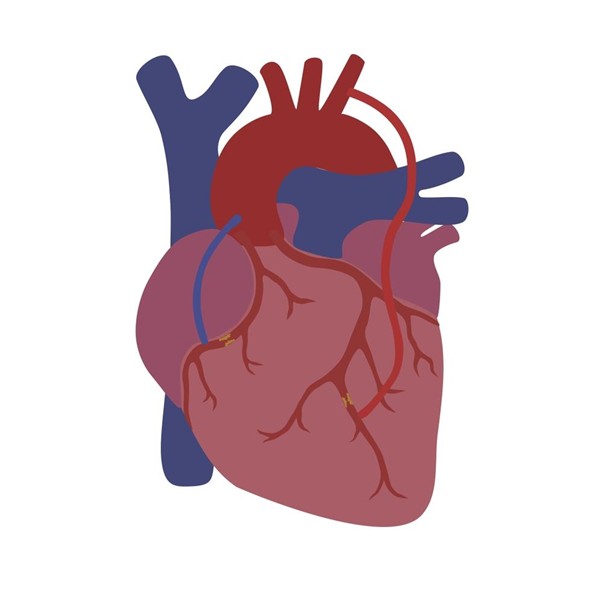
In CABG, your coronary arteries are restored because the surgeon will bypass the blocked portion using another route. We remove an artery from your chest, leg, or arm, depending on your condition, and graft it over the portion of your coronary artery that is ill.
The new graft functions more like a shortcut, allowing your heart to be exposed to oxygen-rich blood that the heart tissues have hitherto been deprived of.
The graft hooks up below the blockage, so blood can move around the problem spot.
We can use more than one graft in a single surgery if you have several blocked arteries.
Using arteries, especially from the chest, helps the grafts stay open longer.
With improved blood flow, your heart will receive adequate amounts of oxygen and nutrients it needs for proper functioning. Patients also notice improvements in their heart’s ejection fraction if they suffered from this condition before surgery.
Graft patency – the length of time the bypass is open and functioning—is an important thing. Arterial grafts, for instance, are long-lasting, sometimes lasting 10 to 15 years or more, which is good because your heart gets wonderful blood flow.
Of course, grafts can fail too, so it is important to select the right vessel as well as have sound surgical skills. When grafts remain open, they assist in pumping blood efficiently through your heart. It also reduces the chances of future heart problems.

CABG surgery reduces the risk of a heart attack by restoring blood supply to the heart muscle that is not getting enough oxygen. Surgeons bypass blocked or severely narrowed coronary arteries to create new paths for blood to flow to the heart. This improves blood flow, addressing the most common cause of a heart attack.
A person normally feels a significant improvement in exercise tolerance after a few weeks of CABG surgery. They find that their hearts are able to function better during exercise, and they do not need to worry about angina pain or other discomforts that come with movement.
Long-term survival statistics agree. Research indicates that those undergoing CABG, particularly those receiving an artery graft to the left anterior descending artery, are significantly less likely to experience heart attacks than those taking meds only.
Post-operative care is critical in this situation. Effective care after a cardiovascular event includes a combination of exercise, dietary instruction, and management of risk factors. Those patients who participate fully in a cardiac rehabilitation
Coronary artery bypass graft surgery has also proven to be one of the most effective ways to manage advanced coronary artery disease, since it increases blood flow to the heart, thus preventing further heart attacks. By bypassing the blocked passages, the surgery also helps alleviate symptoms and improve heart performance. It has also been found that through appropriate surgical and medical management, patients undergoing bypass surgery can enjoy optimal heart health.
If you’ve been advised to undergo bypass surgery or have concerns about blocked arteries, book a consultation with Dr. Vishal Khullar today.