Trusted By
9,000+ Patients Globally


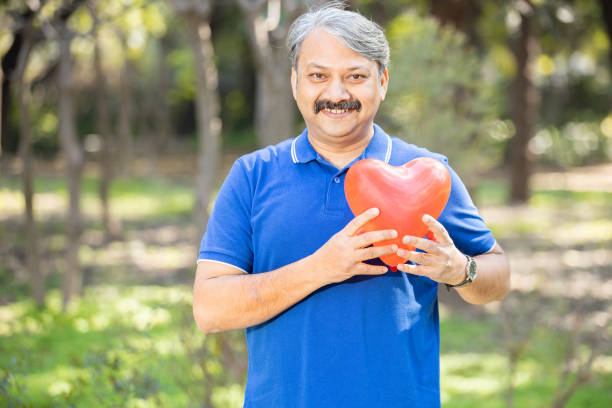
A heart transplant is one of the most life-transforming procedures in modern cardiac surgery. For patients with end-stage heart failure, it offers not just a second chance at life but the possibility of living it fully again.
So, what is the average life expectancy after heart transplant? With advances in surgical techniques, organ preservation, and post-operative care, survival rates have improved dramatically over the years. Most patients today live 10–15 years or more after surgery, and many return to active, fulfilling lives.
As Dr. Vishal Khullar, a leading cardiac surgeon in Mumbai, explains,
“A heart transplant is not just about replacing an organ — it’s about rebuilding a life. The real success lies in how we manage the heart after surgery, ensuring every beat counts for years to come.”
With over three decades of experience in complex heart surgeries and transplant care, Dr. Khullar emphasizes that long-term survival depends as much on meticulous follow-up and lifestyle management as it does on the surgery itself.
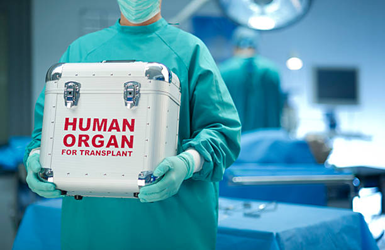
Modern heart transplants have become safer and more predictable than ever. With experienced surgical teams, advanced immunosuppressive therapies, and improved post-transplant care, recipients are living longer and healthier lives.
On average, the life expectancy after heart transplant is around 10 to 15 years, but many patients live well beyond that. In fact, with strict medical follow-up and lifestyle discipline, some recipients enjoy two decades or more of good quality life.
The first year after transplant is the most critical, as the body adjusts to the new heart and medications. Once a patient crosses that phase with stable recovery, the long-term outlook improves significantly.
Dealing with advanced heart failure? Book a consultation to know if a heart transplant is right for you
Let’s look at the factors that influence survival.

Several factors affect how long a person lives after a heart transplant. Understanding these can help patients and families take proactive steps to protect the new heart.
The first few months after surgery are crucial. During this time, complications such as infection, bleeding, or early rejection may occur. Intensive monitoring and hospital follow-up ensure early detection and quick management.
Rejection happens when the body’s immune system identifies the new heart as foreign. While mild forms are common and treatable, untreated rejection can damage the graft and shorten survival. Regular biopsies and tests are essential to detect rejection early.
Immunosuppressive medicines prevent rejection but must be taken exactly as prescribed. Skipping doses or changing schedules can have serious consequences. Following the medication plan is non-negotiable for maintaining a healthy graft.
Because the immune system is suppressed to prevent rejection, patients are more vulnerable to infections. Adopting safe hygiene habits and reporting any fever or cough early can prevent serious complications.
Diabetes, high blood pressure, kidney disease, and obesity can all impact longevity. Managing these conditions well after transplant greatly improves overall outcomes.
The quality of the donor heart, the time between organ retrieval and transplantation, and the surgeon’s experience play a major role. Choosing an advanced heart transplant hospital in India and an experienced surgeon can significantly influence the outcome.
Over time, certain complications such as coronary artery narrowing in the transplanted heart, side effects from medications, or gradual decline in kidney function can occur. Regular follow-up helps detect these early, keeping patients ahead of potential risks.
Dealing with advanced heart failure? Book a consultation to know if a heart transplant is right for you
Here’s where patients can truly take control.
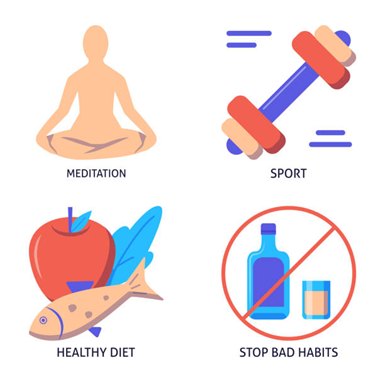
Let’s look at the most important heart transplant recovery tips and lifestyle changes that make a difference.
Immunosuppressants are vital. They protect the heart from rejection. Never skip or adjust doses without your doctor’s advice. Even one missed dose can lead to serious complications.
Regular tests, heart biopsies, and consultations are essential parts of heart transplant follow-up care. They help track heart function, detect rejection early, and fine-tune medications for best results.
Adopt a balanced diet rich in fruits, vegetables, lean protein, and whole grains. Limit salt, sugar, and saturated fats. A dietitian from your transplant team can personalize your nutrition plan for long-term benefits.
Once cleared by your transplant team, moderate physical activity — walking, cycling, swimming, or light exercise — improves stamina, heart strength, and emotional wellbeing. Consistency matters more than intensity.
Transplant recovery can be emotionally challenging. Support from family, counselling, or patient support groups can make the journey smoother and reduce stress-related health issues.
These are harmful to the heart and can interfere with medications. Complete avoidance ensures the best long-term results.
Practice good hygiene, wash hands often, and avoid crowded areas during high-risk times. Stay updated on vaccines as advised by your doctor.
Adequate sleep helps the body recover and strengthens immunity. Proper rest also supports healthy blood pressure and heart rhythm.
Know when to seek medical help

Recognizing early warning signs can make all the difference. Any new or unusual symptom should be promptly reported to your healthcare provider or transplant team.
Here are some red-flag symptoms to watch for:
These could be signs of heart transplant rejection or infection. Timely medical attention helps prevent serious complications and keeps the transplanted heart functioning well.
Keep an updated list of your medications, test reports, and your doctor’s contact information handy at all times. Quick action can save lives.
Noticing unusual symptoms after your transplant? Contact your heart care team right away for early support and better outcomes
A heart transplant stands as one of the greatest milestones in cardiac medicine — offering not just survival, but renewed life. The average life expectancy after heart transplant continues to improve, with many living active, fulfilling lives for years.
With experts like Dr. Vishal Khullar, a seasoned cardiac surgeon in Mumbai, long-term success depends on choosing the right heart transplant hospital in India, staying dedicated to post-transplant care, and embracing a heart-healthy lifestyle.