Trusted By
9,000+ Patients Globally



Have you ever caught yourself wondering, Wait, aren’t a heart attack and cardiac arrest the same? You’re not the only one! It’s easy to get the two confused, given that both deal with the heart. But what’s important to know is that they’re really different, and understanding the difference might actually save your life—or someone else’s.
A heart attack occurs when a blockage keeps blood from reaching some of your heart. A cardiac arrest, however, is when the heart actually stops beating due to an electrical failure. Both are dangerous, but they require different reactions. And believe me, reacting fast in either situation is significant.
Let’s dissect it, so you can see the difference easily—and be sure what to do in case you’re in an emergency.
Dr. Vishal Khullar states:
Identifying the difference between a heart attack and cardiac arrest is crucial. Rapid response can literally mean life or death.
Want a healthier heart? Consult Dr. Vishal Khullar to learn preventive steps today.
Foremost: they’re not alike! It’s understandable to assume they are, but when you learn about how each one occurs, it makes much more sense.
A heart attack happens when a coronary artery in your heart gets clogged, typically by a blood clot. Imagine it’s a traffic jam in your veins—there’s no space for the blood to pass, and some part of your heart isn’t getting oxygen. It causes chest tightness, pain, or discomfort. You might feel as if an elephant is resting on your chest, or it might throb down your arm or jaw. It’s rather impossible to ignore.
But cardiac arrest is not the same. This occurs when your heart just stops beating, usually because of a problem with its electrical system. It’s not a blockage. Actually, it’s more like your heart goes into a power outage. An individual having cardiac arrest will suddenly fall, become unconscious, and cease breathing. It’s sudden and calls for immediate intervention.
So, here’s what you should know: heart attack = blockage and pain, cardiac arrest = sudden shutdown. Two very different things that require very different responses.
Let’s discuss causes. A heart attack is often caused by blocked coronary arteries. This occurs when plaque (a combination of fat, cholesterol, and other material) accumulates in your arteries, hindering blood flow. Eventually, the plaque can burst and a clot develops, which blocks the artery.
Some of the usual suspects that increase your risk for a heart attack are high blood pressure, high cholesterol, diabetes, and smoking. If you’ve been dealing with any of these for a while, you’re at a higher risk of developing a blockage.
Now, cardiac arrest is a different animal altogether. It’s a result of an arrhythmia, or an abnormal heart rhythm. When the heart’s electrical system malfunctions, it can make the heart beat too quickly, too slowly, or irregularly. The heart ceases to pump blood effectively, and you might fall almost immediately.
So, a blocked artery causes heart attacks, but an electrical malfunction is what causes cardiac arrest. Your job’s a pipe issue; the other is an electrical issue.
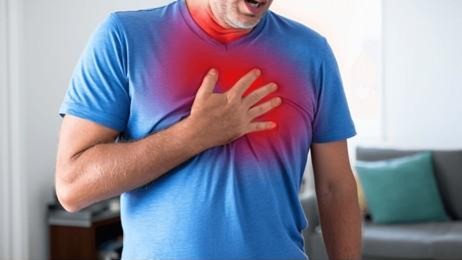
Let’s have this straight: a heart attack is normally connected with chest pain. It is typically felt as pressure, tightness, or squeezing. It might feel as if someone is sitting on your chest, or it might extend to your arm, neck, or jaw. You could also experience dizziness, lightheadedness, or difficulty breathing.
But here’s the twist: cardiac arrest does not come with chest pain. They’ll just fall over suddenly, lose consciousness, and cease to breathe. No warning. It happens fast, and they’ll not experience any chest pain. It’s a medical emergency that must be treated at once.
Chest pain = heart attack, collapsed and not breathing = cardiac arrest. Simple, isn’t it?
The major question: What do you do if you’re confronted with either cardiac arrest or a heart attack? Here’s your strategy.
If the person is experiencing a heart attack, the first thing you should do is call 911. Don’t delay. While waiting for assistance, if the individual is conscious and can swallow, you might administer them an aspirin (if they’re not allergic). This will thin the blood and prevent the clot from worsening. Keep the patient calm and motionless. Do not allow them to move around—it may worsen the situation.
With cardiac arrest, the reaction is varied. Call 911 and then proceed at once with CPR. Push hard and fast in the center of the chest – this maintains blood flow to the brain and other organs. If an AED (Automated External Defibrillator) is present, use it immediately. It will reset the heart rhythm and may save their life.
When it comes to cardiac arrest, quick action is critical. You’ve only got minutes, sometimes seconds, to save someone’s life.
Curious about heart health? Consult Dr. Vishal Khullar to stay ahead of risks.
Here’s the bottom line: heart attacks and cardiac arrest might both be to do with the heart, but they call for different reactions. A heart attack consists of chest pain and obstruction, and the idea is to bring blood back into the heart. Cardiac arrest is an abrupt, total cessation of heart function and necessitates instant CPR and defibrillation.
The silver lining is that knowing the difference and responding quickly can be life-saving. Whether learning CPR, learning where the closest AED is, or just being aware of the symptoms, knowing beforehand can be the difference in a crisis.
Start your journey to a healthier heart – book an appointment today
References:
American Heart Association – What is a Heart Attack?
https://www.heart.org/en/health-topics/heart-attack
Mayo Clinic – Cardiac Arrest
https://www.mayoclinic.org/diseases-conditions/cardiac-arrest/symptoms-causes/syc-20350453