Trusted By
9,000+ Patients Globally


Infective endocarditis is a life-threatening infection of the inner lining of the heart chambers and valves, usually caused by bacteria, fungi, or other pathogens entering the bloodstream and attaching to the heart’s structures. While common among those with preexisting heart conditions, it can also affect healthy individuals, as bacteria can enter through dental procedures, surgeries, or injuries. The clinical manifestations of infective endocarditis can vary, but recognizing them early is crucial for effective treatment and preventing irreversible damage to the heart and other organs.
Dr. Vishal Khullar, a globally acclaimed cardiac surgeon in Mumbai, India, states that timely and accurate diagnosis and intervention are key to improving outcomes in infective endocarditis. As an expert in cardiovascular surgery, he emphasizes understanding the clinical manifestation of infective endocarditis as the key to early detection and preventing further complications like stroke or heart failure.
Dr. Vishal Khullar, known for his proficiency in heart bypass surgery, heart transplantation, and aortic aneurysm surgery in Mumbai, has treated countless patients for life-threatening infections of the heart. With a focus on the clinical manifestations of infective endocarditis, his expertise ensures patients receive the best care tailored to their needs. In diagnosing and treating heart infections, Dr. Khullar’s approach has led to improvements across a wide range of cardiovascular conditions.
In this blog, we will discuss the clinical manifestations of infective endocarditis, shedding light on common signs, their causes and warning signs that require immediate medical attention.
Infective endocarditis is characterized by hallmark presentations of persistent fever and fatigue. Indeed, fever in infective endocarditis is usually caused by the body’s immune response to an infection brought about by bacteria or fungi. The vegetations, clumps of infected material, produced by an infection of the heart valves, trigger inflammatory reactions that cause fever.
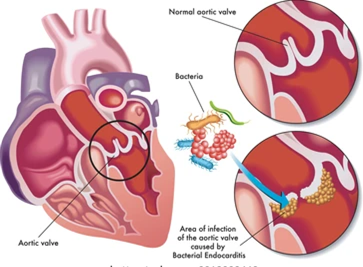
On the other hand, fatigue is due to the body’s diversion of energy for fighting the infection, thus leaving the patient with a feeling of weakness and lethargy. These infective endocarditis symptoms are common and may continue even for weeks if left untreated.
Experiencing persistent fever or fatigue? Connect with an expert to confirm the diagnosis and start appropriate treatment.
Now, let’s discuss the reasons for breathlessness, body and chest pain in this condition.

The infection triggers widespread inflammation, leading to generalized body pain and muscle aches.
Infected particles (vegetations) can break off from heart valves and travel to organs, causing localized pain and tissue damage.
Infection weakens or destroys heart valves, impairing blood flow and causing breathlessness and chest discomfort.
When damaged valves cannot pump blood efficiently, fluid may accumulate in the lungs, leading to shortness of breath.
Infection can inflame the heart’s outer lining, causing sharp chest pain.
Inefficient heart function lowers oxygen delivery to tissues, resulting in fatigue, breathlessness, and body pain.
Right-sided infective endocarditis can cause septic emboli to reach the lungs, leading to chest pain, coughing, and breathing difficulty.
Worried about possible complications from infective endocarditis? Let’s go over the warning signs that indicate the infection may be spreading or affecting other organs.

As infective endocarditis progresses, complications can arise that may lead to life-threatening situations. Warning signs of these complications may include:
Not sure what to do if you suspect infective endocarditis? Let’s find out why early intervention is key to preventing life-threatening outcomes.

If manifestations such as fever, tiredness, or body ache including chest pain are present, the person should seek medical attention as soon as possible.
The diagnosis may include variety of blood tests, echocardiograms and other imaging studies to confirm the presence of infection.
If diagnosed, follow the treatment plan which may involve a course of antibiotic or antifungal medication; possibly surgery to repair or replace damaged heart valves.
Stay alert for worsening symptoms and get emergency care if complications such as chest pain, shortness of breath, or confusion arise.
Don’t wait if you notice warning signs. Get in touch with a specialist promptly to prevent serious complications.
Infective endocarditis is a serious condition that can present with a wide range of symptoms, including persistent fever, fatigue, body pain, and breathlessness. Early diagnosis and prompt treatment are essential to prevent complications such as stroke, organ failure, and heart damage.
Dr. Vishal Khullar, a highly regarded cardiovascular and heart bypass surgeon in Mumbai, stresses the importance of recognizing the clinical manifestations of infective endocarditis and acting swiftly to avoid severe consequences. If you experience heart infection signs, consult an expert immediately.