Trusted By
9,000+ Patients Globally



Heart failure affects millions, but honestly, a lot of folks miss the early warning signs until things get pretty serious. Knowing what to look out for can make a huge difference in catching it early and managing it well. As cardiac surgeons in Mumbai, we’ve seen firsthand how early recognition can really turn things around for patients and boost their quality of life.
Dr. Vishal Khullar, a well-known heart surgeon in Mumbai, has years of experience handling both sudden and long-term heart failure cases. He really stresses how symptoms can look different depending on the type of heart failure and when you should get help right away. Let’s break down what heart failure actually is and the symptoms that set it apart.
This article looks at how heart failure symptoms develop and when it’s time to see a doctor. If you’re dealing with symptoms yourself or caring for someone else, you’ll find practical info here, drawn from real clinical experience and up-to-date medical knowledge.

Heart failure is the situation in which the heart can no longer pump blood to the rest of the body at the required rate. It is not a case of the heart stopping, but rather the heart becoming weaker or stiffer and thus making it very difficult to get the blood to flow sufficiently.
The term heart failure (HF) refers to a deteriorating condition, most likely resulting from the initial damage of the heart muscle caused by other diseases of the heart. In such a scenario as the heart flounders, the flow of the blood becomes slow and pressure in the heart increases.
Key features of heart failure
The term congestive heart failure refers to a situation where it is easy to notice fluid accumulation; however, not every case is like that. That is the reason why the majority of doctors just say heart failure nowadays.
Heart failure is, in general, the final stage of the heart problems which may include narrowed arteries, high blood pressure, valve issues, or even diseases of the muscle that makes the heart. There are times when the heart is not able to fill itself with blood properly (diastolic dysfunction), others when it cannot pump the blood out well (systolic dysfunction), and at times both.
It’s a serious condition, but with ongoing care and some lifestyle changes, it’s manageable.
If you’re noticing breathlessness, swelling, or unusual fatigue, book a cardiac evaluation with Dr. Vishal Khullar today.
On the other hand, fatigue is due to the body’s diversion of energy for fighting the infection, thus leaving the patient with a feeling of weakness and lethargy. These infective endocarditis symptoms are common and may continue even for weeks if left untreated.
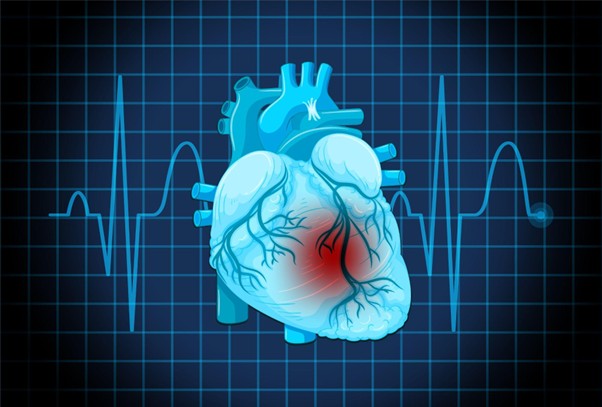
Heart failure manifests itself in many ways, mainly because the heart is the one that fails to supply the body with the required oxygen and nutrients. It is very important to recognize these signs early.
Breathing Problems
Shortness of breath (dyspnoea) is in general, the first thing that people associate with the disease. Initially, it may only occur during exercise, but later on, it may be present even at rest. Some individuals experience difficulty breathing when lying down (orthopnoea) and waking up in the middle of the night gasping for air which is paroxysmal nocturnal dyspnoea.
Fluid Build, Up
Edema of the feet, ankles, and legs is a pretty typical manifestation of the disease. It results from the accumulation of fluid in abnormal places. You would probably realize that your shoes are tight if you are the type to wear the same pair always, or your trousers are tight around the waist. There are some people who increase their weight rapidly and feel a swollen belly.
Heart and Energy Issues
Weariness is on the list of symptoms that are frequently observed. Normal household chores become a great challenge while you tire very quickly. The heartbeat becomes irregular (arrhythmias) and the time when it is most vigorous or pulsing is when you feel most aware of it. These disorders of the heart rate can result in the aggravation of heart failure.
Other Symptoms
Some people develop a cough that doesn’t go away, especially when they are lying down, and lose their appetite, feeling full very quickly during the meal.
Heart failure symptoms generally deteriorate with time. Initially, you may only feel the symptoms when you over exert yourself, but eventually, even walking upstairs can get difficult.
The medical professionals refer to the NYHA classification to determine the severity of the condition.
Class I: Symptoms occur only with very heavy physical activity.
Class II: Symptoms occur during normal activities.
Class III: Symptoms occur with the slightest of efforts.
Class IV: Symptoms are present even at rest.
Left, sided vs right, sided failure:
Left, sided: Shortness of breath, breath, holding while lying down, waking up gasping for air, weakness and lack of energy for sports or other physical activities
Right, sided: Impaired legs with fluid, swelling of the liver, water in the belly, and bulging of the veins in the neck
The signs and symptoms of heart failure vary with its etiology. For example, artery blockage usually causes them to increase gradually after a heart attack while heart muscle diseases (cardiomyopathies) can be different: the dilated type weakens both ventricles and causes shortness of breath, and the thickened muscle (hypertrophic) can cause chest pain or fainting in addition to shortness of breath.

It’s really important to know when heart failure symptoms mean you need help right away. Don’t wait if you notice any of these:
If your usual symptoms get worse despite your meds, or you notice more swelling, more tiredness, or trouble sleeping because of breathing, call your doctor.
People with high blood pressure, diabetes, or blocked arteries need to be extra careful. These conditions make heart failure more likely to get worse.
When to see a specialist:
If your symptoms don’t get better with standard treatments, it’s time to see a heart failure expert. Sometimes, advanced therapies or even a heart transplant evaluation might be needed.
Getting help early can prevent lasting damage. Keep your healthcare team in the loop about any changes.
It can take time to fully understand the condition of heart failure, however, the right treatment and diagnosis made on time can help the patient to live a better and longer life. Recognition of symptoms and asking for the advice of a specialist will enable you to receive a management plan which will not only relieve the symptoms but also take care of the root cause. Having undergone thorough assessment, receiving state of the art drug therapy and if necessary taking advantage of any surgical procedure, patients suffering from heart failure can definitely regain a considerable degree of control over their condition and go on with life which can be quite active and rewarding under the care of a well, qualified cardiac specialist.
Wondering what comes after the recovery phase? Let’s look at long-term protection next.
Dr. Vishal Khullar, a trusted heart specialist for Aortic aneurysm surgery in Mumbai, advises, “Staying heart-healthy after surgery is a lifelong commitment, patients need to maintain steady routines that support heart strength.”
Useful strategies include:
Over time, these habits help support valve longevity and reduce the risk of future issues.
It can take time to fully understand the condition of heart failure, however, the right treatment and diagnosis made on time can help the patient to live a better and longer life. Recognition of symptoms and asking for the advice of a specialist will enable you to receive a management plan which will not only relieve the symptoms but also take care of the root cause. Having undergone thorough assessment, receiving state of the art drug therapy and if necessary taking advantage of any surgical procedure, patients suffering from heart failure can definitely regain a considerable degree of control over their condition and go on with life which can be quite active and rewarding under the care of a well, qualified cardiac specialist.
When heart failure symptoms start affecting daily life or seem to be getting worse, seeking specialist guidance can help you understand your options and plan the next steps with confidence.
Do you want help deciding the best approach for multi-valve disease or complex heart problems? Consult a qualified specialist for clarity and proper direction tailored to your health needs.
References:
https://my.clevelandclinic.org/health/diseases/17639-what-you-need-to-know-heart-valve-disease
Disclaimer: The information shared in this content is for educational purposes only and not for promotional use.