Trusted By
9,000+ Patients Globally



Ever felt breathless after walking up a flight of stairs—or woken up feeling unusually tired? You might’ve chalked it up to stress or aging. But sometimes, it’s something more: cardiomyopathy. It’s a condition that changes the way your heart muscle works. It may weaken, thicken, or stiffen over time. Picture this: your heart’s ability to pump blood slowly declines. Not all cases give a big warning. That’s what makes this condition tricky.
Dr. Vishal Khullar, a trusted cardiovascular surgeon in Mumbai, has spent decades helping people catch cardiomyopathy early—before complications set in. So, if you’ve sensed something is off, you’re not alone.
Want to know what causes these changes? Let’s dig deeper.
Surprisingly common. About 1 in every 500 adults worldwide has some form of cardiomyopathy. In India, the numbers may be even higher due to rising hypertension and diabetes—and many cases go unnoticed until they’ve progressed. Dilated cardiomyopathy stretches and weakens heart chambers; hypertrophic cardiomyopathy thickens the heart walls; restrictive cardiomyopathy stiffens them; and arrhythmogenic cardiomyopathy messes with the heart’s rhythm.
Each type behaves differently—but all can become serious if ignored.
Sometimes, family history writes the first chapter in the story of cardiomyopathy. Genetic mutations often lie behind hypertrophic and arrhythmogenic types. But life plays its role, too. Viral infections like myocarditis, long-term high blood pressure, excessive alcohol use, or even cancer treatments (like chemo or radiation) can damage the heart. Autoimmune conditions, thyroid issues, and nutrient deficiencies all add to the mix. And yes—some cases remain untraceable, the so-called idiopathic cardiomyopathy.
No matter the cause, early evaluation by a cardiac surgeon in Mumbai can make all the difference.
Think you’re experiencing symptoms? Let’s explore those next.
Symptoms often start small. You might feel breathless after climbing stairs—or notice a persistent fatigue that doesn’t go away. Swelling in ankles or abdomen? That could be fluid retention. A flutter in your chest or a dizzy spell? Your heart might be telling you something. And yes, fainting during physical activity can happen when the heart isn’t pumping blood well.
These signs can mimic other conditions—or be dismissed as stress. But if they linger or worsen, don’t overlook them.
Noticing unusual breathlessness or fatigue? These could be early signs of cardiomyopathy. Schedule your consultation with Dr. Vishal Khullar today.
Next up: how cardiomyopathy is diagnosed and what assessments to expect
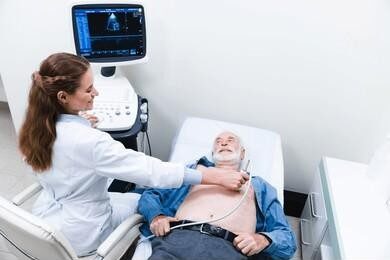
Diagnosis starts with conversation. Dr. Khullar, a respected heart bypass surgeon in Mumbai, begins by listening—about symptoms, family history, and lifestyle. From there: an echocardiogram checks your heart’s structure and function; an ECG catches rhythm issues; a chest X‑ray might show an enlarged heart. Sometimes, a cardiac MRI or CT offers a clearer picture. And if it’s a familial type, genetic testing may be recommended.
Getting the right diagnosis early means better care—and fewer surprises down the road.
But what if cardiomyopathy goes unchecked? Let’s cover the possible impact.
Without treatment, cardiomyopathy can seriously affect quality of life. Heart failure may develop—fluid backs up into your lungs or limbs, making everyday tasks feel heavier. Arrhythmias can become dangerous, even leading to sudden cardiac arrest. Blood clots may form, raising the risk of stroke. And there’s the emotional side: frustration, anxiety, an unsettling sense that your body doesn’t follow your will anymore.
You don’t have to accept this as “just aging.”
Been ignoring fatigue or irregular heartbeat? It might be time to uncover what’s happening inside. Book your appointment with Dr. Vishal Khullar now.
Ready to see how treatment can help? Let’s move forward with that.
Here’s the thing: cardiomyopathy isn’t always a life sentence. Many people do well with the right treatment. Medications—such as beta-blockers, ACE inhibitors, diuretics, and anticoagulants—can ease symptoms and slow disease progression. For those at risk of dangerous heart rhythms, implantable devices like pacemakers or ICDs may help.
Lifestyle matters profoundly. A heart-friendly diet, low in sodium and processed foods, combined with moderate exercise and stress-relief practices—this is where true empowerment comes in. Many patients benefit from structured cardiac rehabilitation programs, which build strength and confidence over time.
Dr. Khullar, widely known for his compassionate care in Mumbai, often tailors treatment plans with both medical precision and personal understanding.
That brings us to prevention—what you can do to protect your heart.
Not every case is preventable—especially genetic kinds. But many forms—especially those tied to lifestyle—are manageable through daily habits. Think of it like maintaining your car: regular checkups, watching fuel levels (aka blood pressure, cholesterol, blood sugar), and avoiding harmful habits. Stay active, eat balanced meals, and reduce stress. And if your family has a history of heart disease, don’t skip periodic heart screenings.
It’s not about perfection—it’s about consistency.
A few smart choices today—like scheduling a heart check—can prevent serious issues tomorrow. Book your consultation with Dr. Vishal Khullar now.
Finally, some common questions answered below.
References:
https://www.heart.org/en/health-topics/cardiomyopathy/what-is-cardiomyopathy
https://www.nhlbi.nih.gov/health/cardiomyopathy